The Science
The research is promising. It is also unfinished.
Peptide science has produced genuinely interesting findings about how cellular signaling works. It has not yet produced settled answers about long-term outcomes for most of these compounds. We think the honest position is to say both things at once.
Read the Blog

Our formulations are built on documented standards and independent verification.
Learn MoreFormulations are designed around published research into cellular energy production, metabolic signaling, and the pathways associated with physical and mental vitality.
CoreX Research Peptides
We select each compound based on published research literature and peer-reviewed data, then verify every batch before it ships.
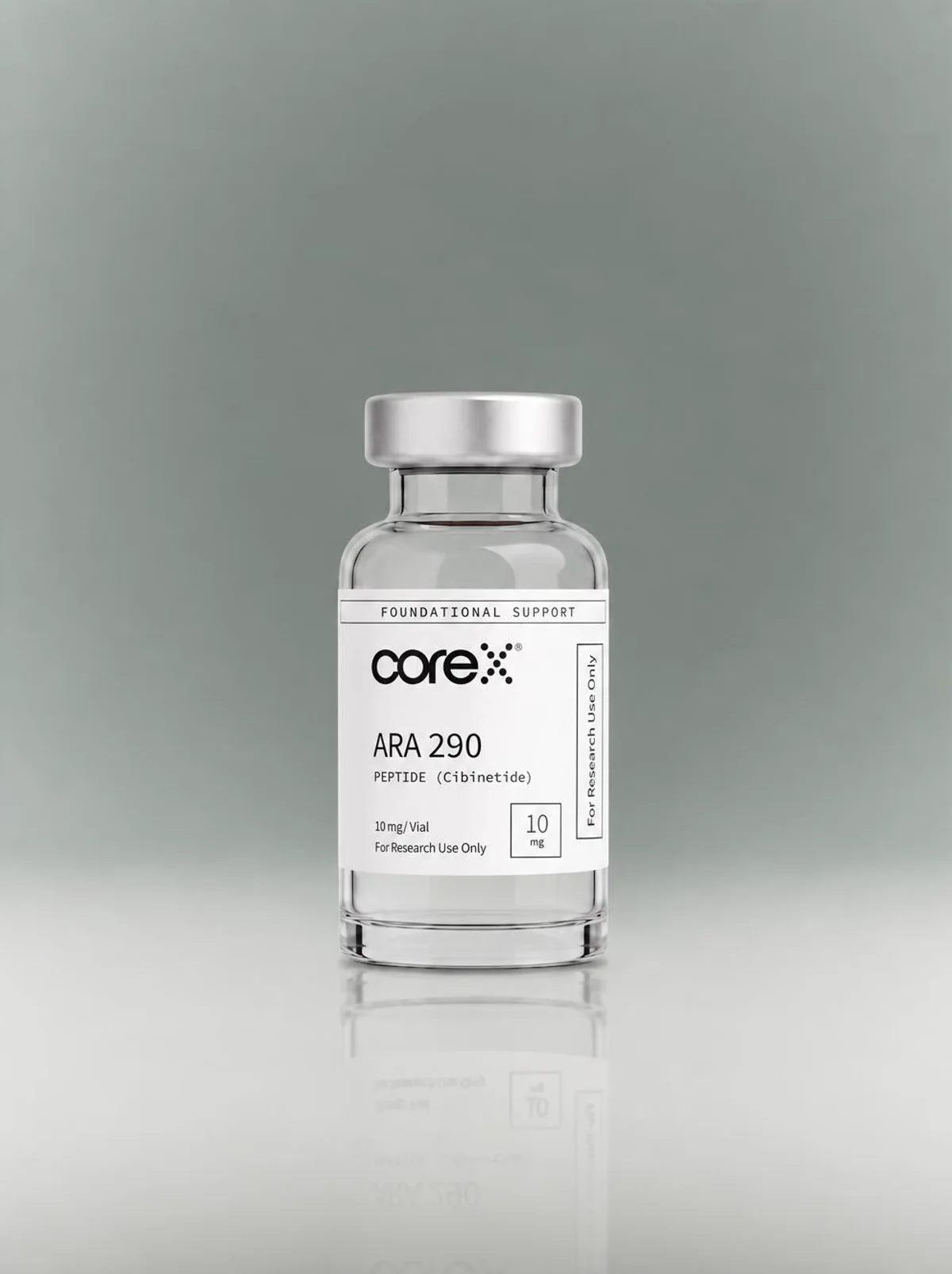
ARA 290, also called cibinetide, is a short peptide studied for its interaction with the innate repair receptor, a signaling complex associated with tissue protection and the resolution of inflammation.
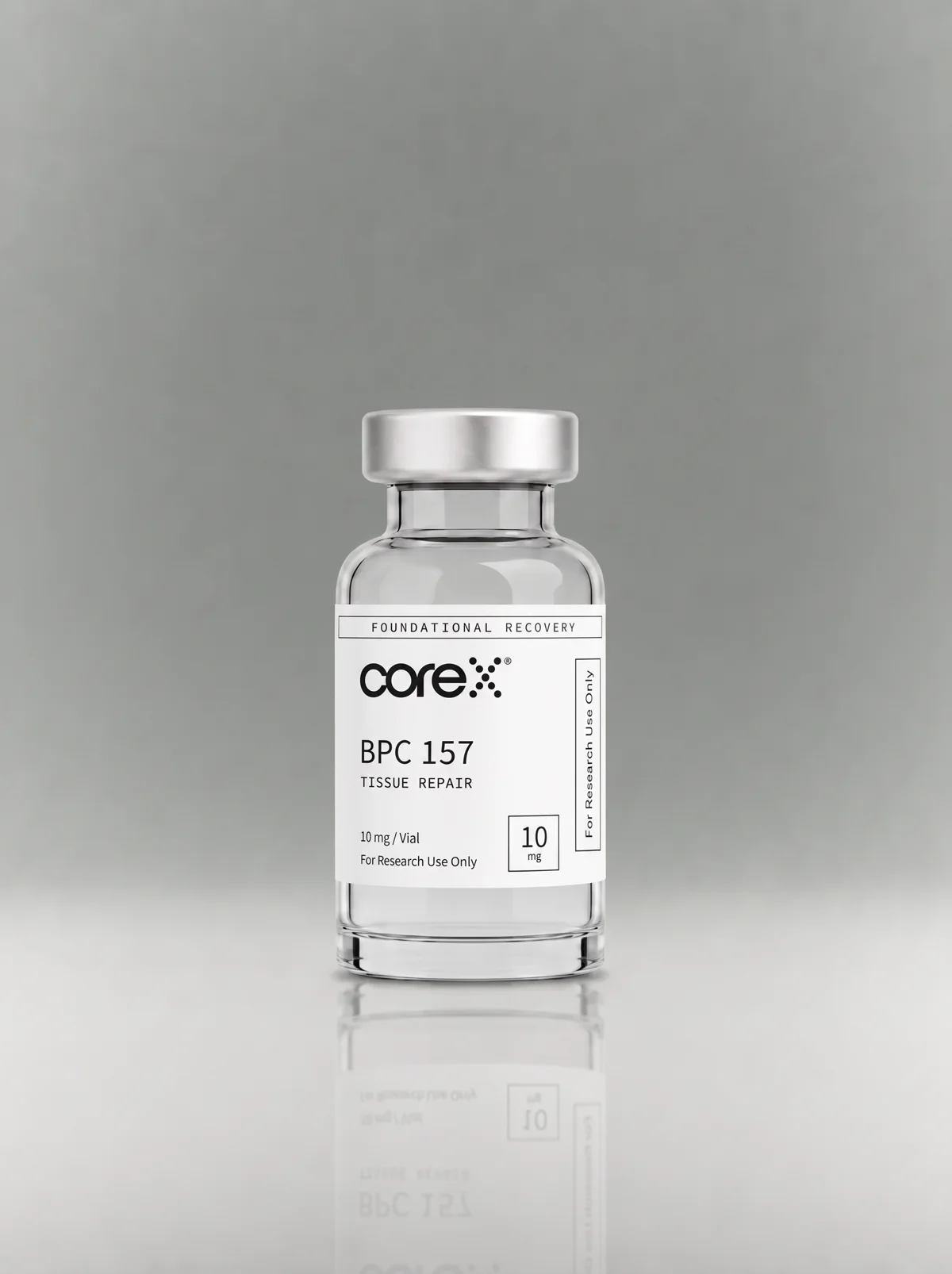
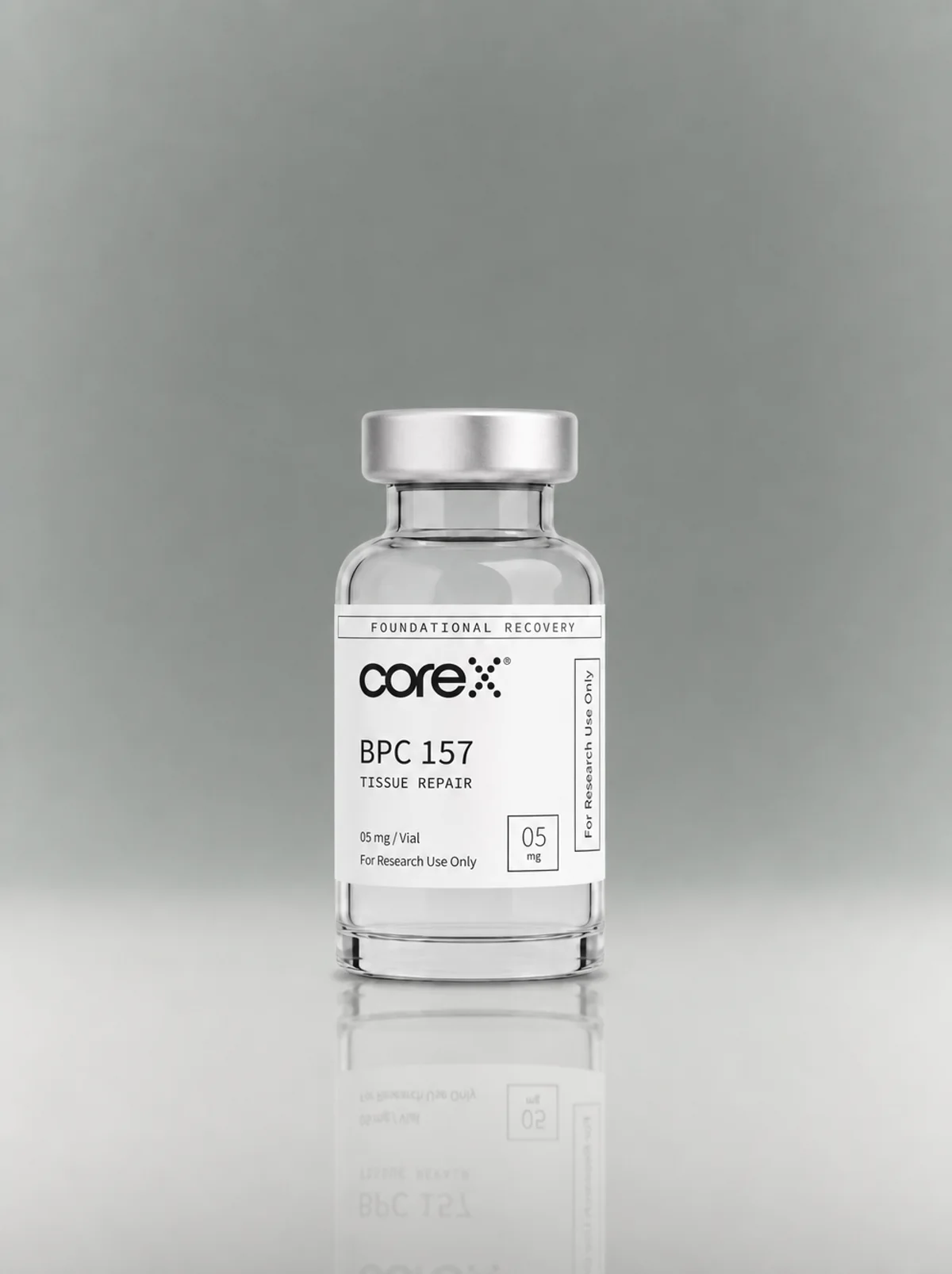
View productBPC-157 is a synthetic sequence derived from a protein found in gastric juice. Research examines its role in gut barrier integrity, connective-tissue repair, and the signaling that coordinates healing.
View productA combination of BPC-157 and TB-500 at 5mg each, pairing two of the most-studied repair-associated peptides. Research explores whether their distinct mechanisms are complementary.
View productKPV is the C-terminal tripeptide fragment of alpha-MSH. Research examines its anti-inflammatory profile, particularly within the gut, and its activity independent of pigmentation signaling.
View productLL-37 is the only human cathelicidin-derived antimicrobial peptide. Research examines its dual role in direct microbial defense and in modulating the wider innate immune response.
View productThymosin Alpha-1 is a peptide originally isolated from thymic tissue. Research examines its role in the maturation of T-cells and in coordinating a balanced immune response.
View productTB-500 is a synthetic fragment of thymosin beta-4. Research focuses on its relationship with actin, the structural protein underpinning cell movement, and with the migration of repair cells.
View productKLOW combines four compounds studied across repair and renewal: TB-500, BPC-157, GHK-Cu, and KPV. The inclusion of GHK-Cu gives it a foot in both the Foundation and Longevity families.
Browse the shopDSIP is a nonapeptide first identified for its association with delta-wave sleep. Research examines its relationship with sleep architecture and with stress-hormone regulation.
View productSelank is a synthetic analog of the immunomodulatory peptide tuftsin. Research examines its role in emotional balance and stress modulation, and its profile as a non-sedating anxiolytic candidate.
View productSemax is a synthetic fragment derived from ACTH, modified so it carries no corticotropic activity. Research examines its role in mental clarity, focus, and cognitive resilience.
View productEpithalon is a synthetic tetrapeptide studied for its potential role in cellular longevity and biological-rhythm pathways. Research explores its relationship with telomere biology and pineal signaling.
View productGHK-Cu is a copper-binding tripeptide studied for its role in skin, connective-tissue, and cellular renewal. Its recovery profile gives it a crossover into Foundation.
View productGlow combines BPC-157, TB-500, and GHK-Cu, pairing two repair-associated peptides with the copper peptide most studied for skin and connective-tissue renewal.
Browse the shopMOTS-c is a peptide encoded in mitochondrial DNA. Research examines its role as a signal between the mitochondria and the nucleus, particularly under metabolic stress.
View productNAD+ is a coenzyme central to how cells convert fuel into usable energy. Research examines its role in redox reactions, mitochondrial output, and the repair pathways associated with biological aging.
View productSS-31, also known as elamipretide, is studied for its affinity for the inner mitochondrial membrane. Research focuses on cardiolipin, a phospholipid central to mitochondrial efficiency.
View productGlutathione is a tripeptide antioxidant produced in every cell. Research examines its role in redox defense, detoxification pathways, and immune function, the last giving it a Foundation crossover.
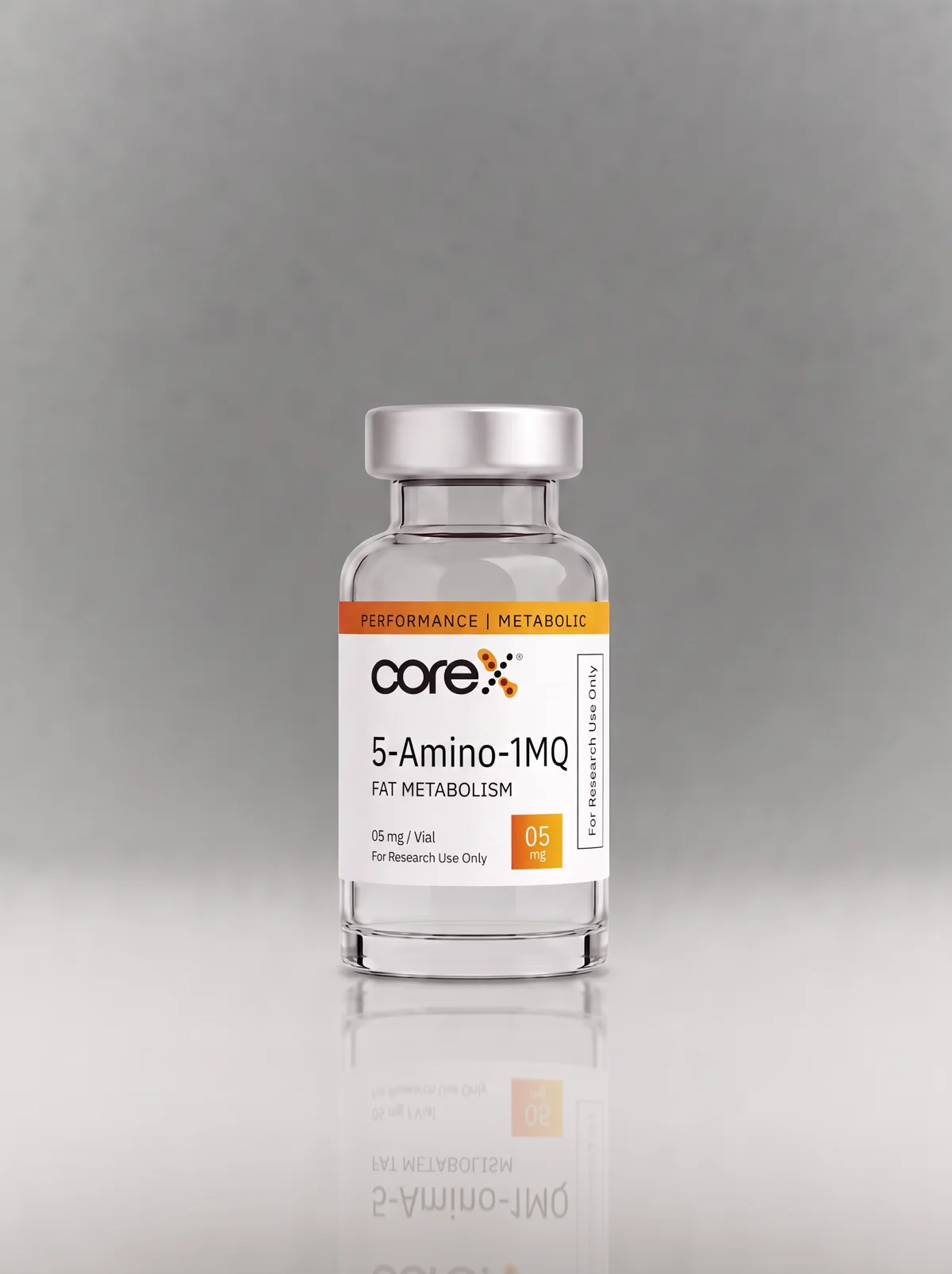
View product5-Amino-1MQ is a small molecule studied as an inhibitor of nicotinamide N-methyltransferase, an enzyme associated with fat-cell metabolism and cellular NAD+ availability.
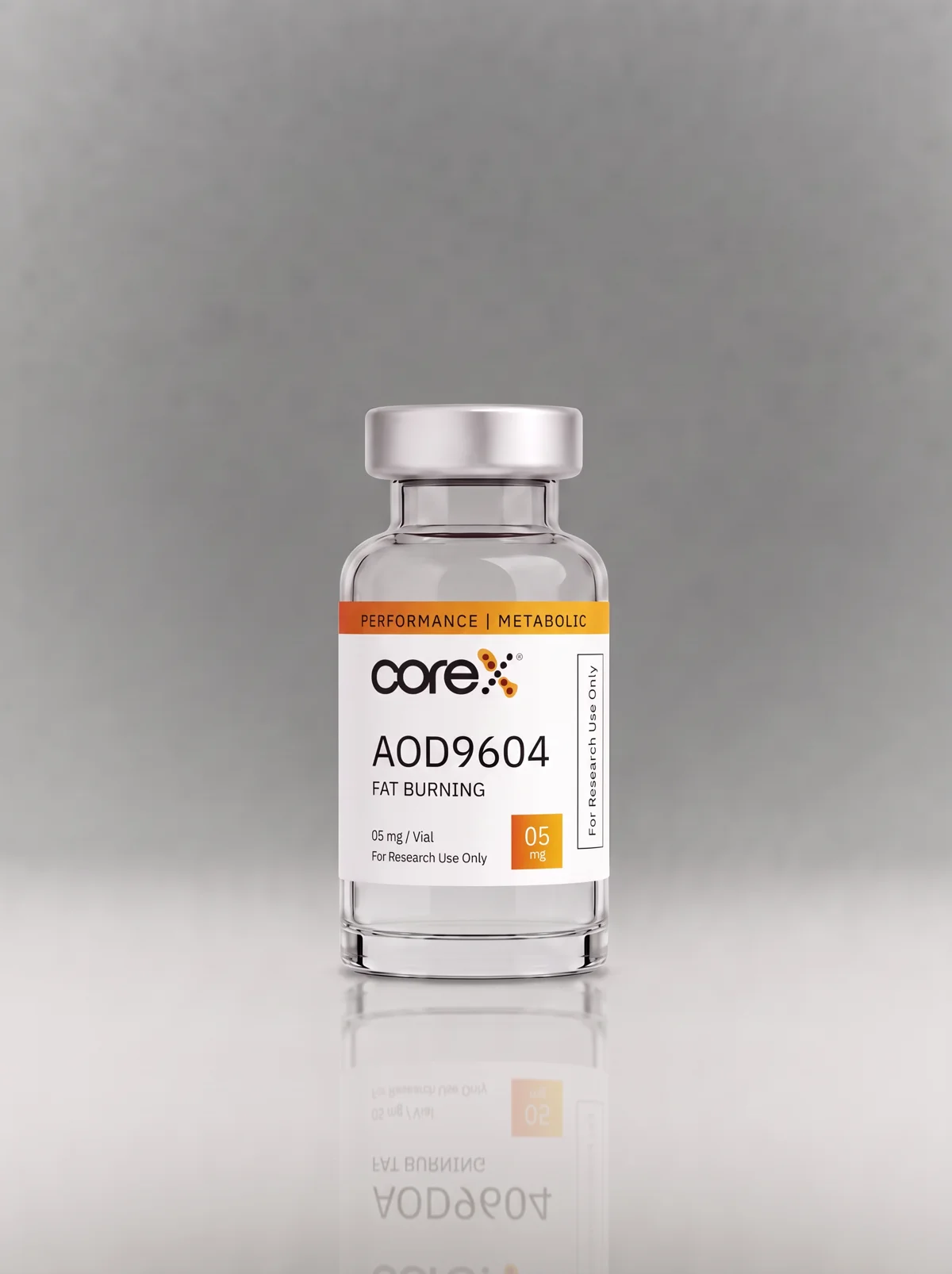
View productAOD 9604 is a synthetic peptide derived from the C-terminal fragment of human growth hormone, isolated for research into fat metabolism without the broader activity of the full hormone.
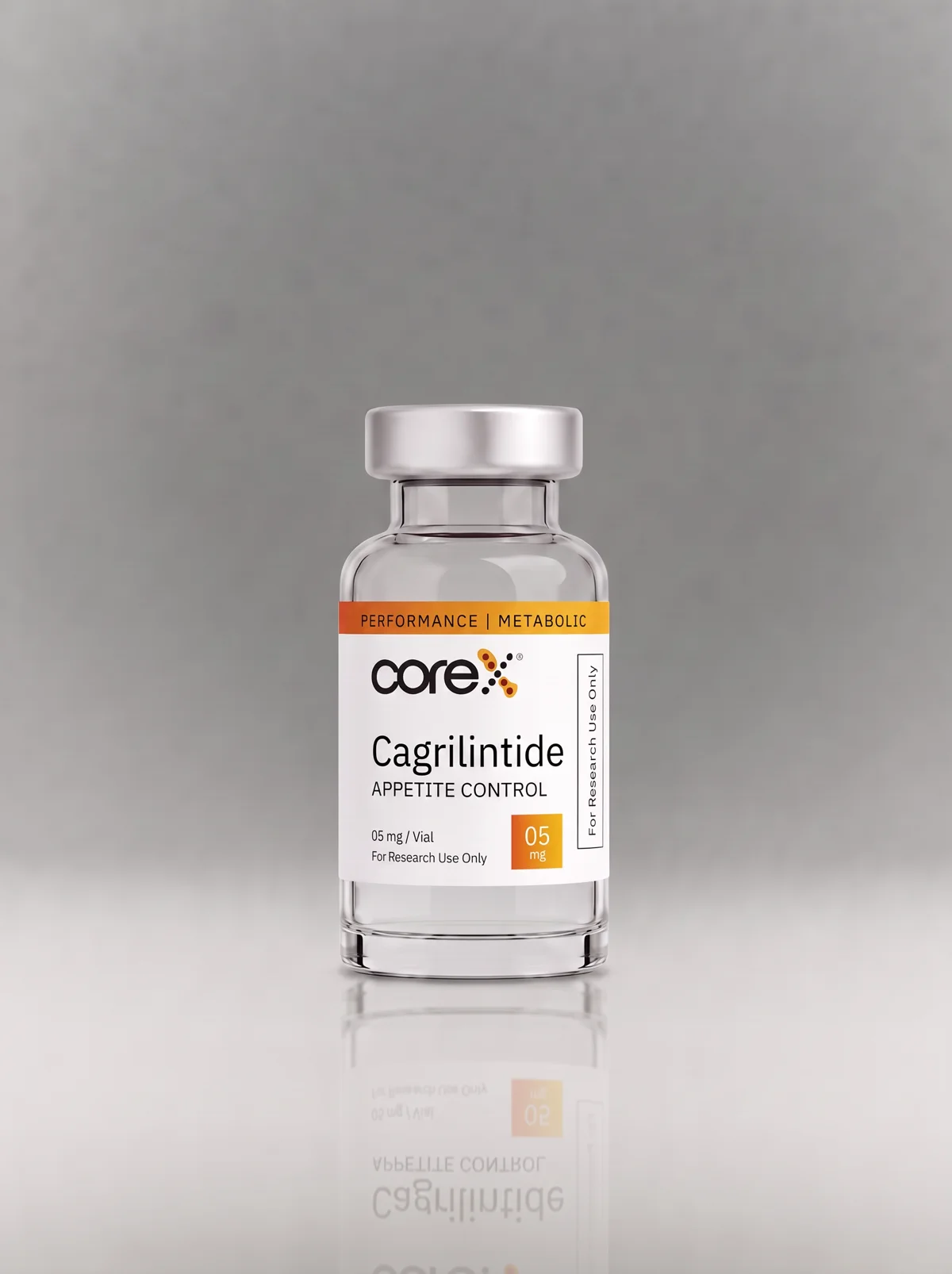
View productCagrilintide is a long-acting amylin analog studied for its role in satiety signaling, a mechanism distinct from, and often researched alongside, the incretin pathway.
View productSLU-PP-332 is studied as an agonist of estrogen-related receptors, a family associated with the metabolic adaptations that follow endurance exercise.
Browse the shopGLP-3R is studied as a triple agonist at the GLP-1, GIP, and glucagon receptors. Research examines whether engaging all three affects metabolic regulation differently to dual or single agonists.
View productSemaglutide is a long-acting GLP-1 receptor agonist. Research examines its role in glucose-dependent insulin signaling, gastric emptying, and the central pathways registering satiety.
View productTirzepatide is studied as a dual agonist at the GIP and GLP-1 receptors. Research examines whether combining the two incretin pathways differs from GLP-1 agonism alone.
View productCJC-1295 without DAC, also called modified GRF 1-29, is a growth-hormone-releasing hormone analog with a short half-life, studied specifically for preserving the body's natural pulsatile release pattern.
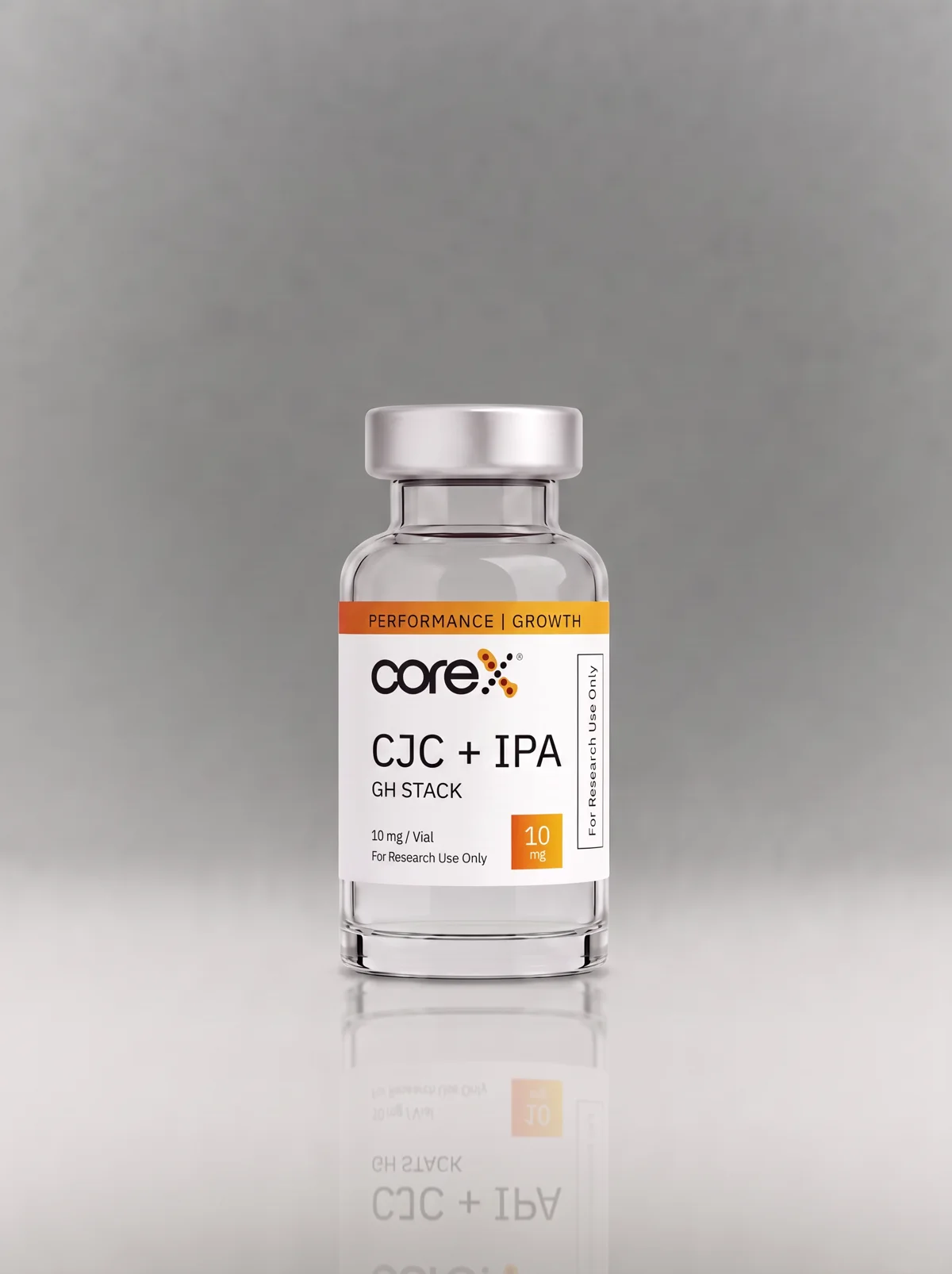
View productThis combination pairs a GHRH analog with a selective growth-hormone secretagogue, studied for whether engaging two complementary steps in the release cascade differs from either alone.
Browse the shopIGF-1 is the primary mediator of growth hormone's effects. Research examines its role in anabolic signaling, tissue growth, and the pathways downstream of the growth-hormone axis.
View productIpamorelin is a selective growth-hormone secretagogue. Research examines it specifically for its selectivity, releasing growth hormone with minimal effect on cortisol or prolactin.
View productTesamorelin is a stabilized growth-hormone-releasing hormone analog. Research examines its role in endogenous GHRH signaling and its association with visceral adipose tissue.
View productHCG is a glycoprotein hormone studied for its activity at the luteinizing hormone receptor, and for its role in research on the hypothalamic-pituitary-gonadal axis.
View productKisspeptin sits at the top of the reproductive hormone cascade. Research examines its role in initiating GnRH release, and the overlap between that signaling and circuits tied to desire.
View productPT-141 is studied for its role in the signaling pathways tied to desire and motivation. Research focuses on central melanocortin receptors rather than the vascular system.
View productSynthesis
Compounds are produced by solid-phase peptide synthesis in facilities operating to documented quality standards, with each step recorded against the batch.
Verification
Every batch is sent to an independent laboratory for identity confirmation by mass spectrometry and purity analysis by high-performance liquid chromatography.
Traceability
The certificate of analysis is tied to the lot number printed on the label, so what you receive can be matched to the report that describes it.
Honesty about evidence
Much of this research is preclinical. We describe what studies examine rather than promising outcomes, and we say where the evidence stops.








I want to feel…
Sharper
Focus that still holds by the afternoon.

Know what you are buying
Every compound in the catalog: what it is studied for, how to run it, and where the evidence is still early.
Read the Blog