 Pen
Glutathione 600 mg vial
Antioxidant defence
Investigated for redox defense and detoxification pathways.
$79.00CAD· $0.13/mg
1
- Ships from Canada in 1–2 business days
- Free shipping over $120
Place your order, then send the e-Transfer. We pack it as soon as it arrives.
For research use only. Not for human consumption.
Complete your setup
Needles and wipes are free. Water is $19.
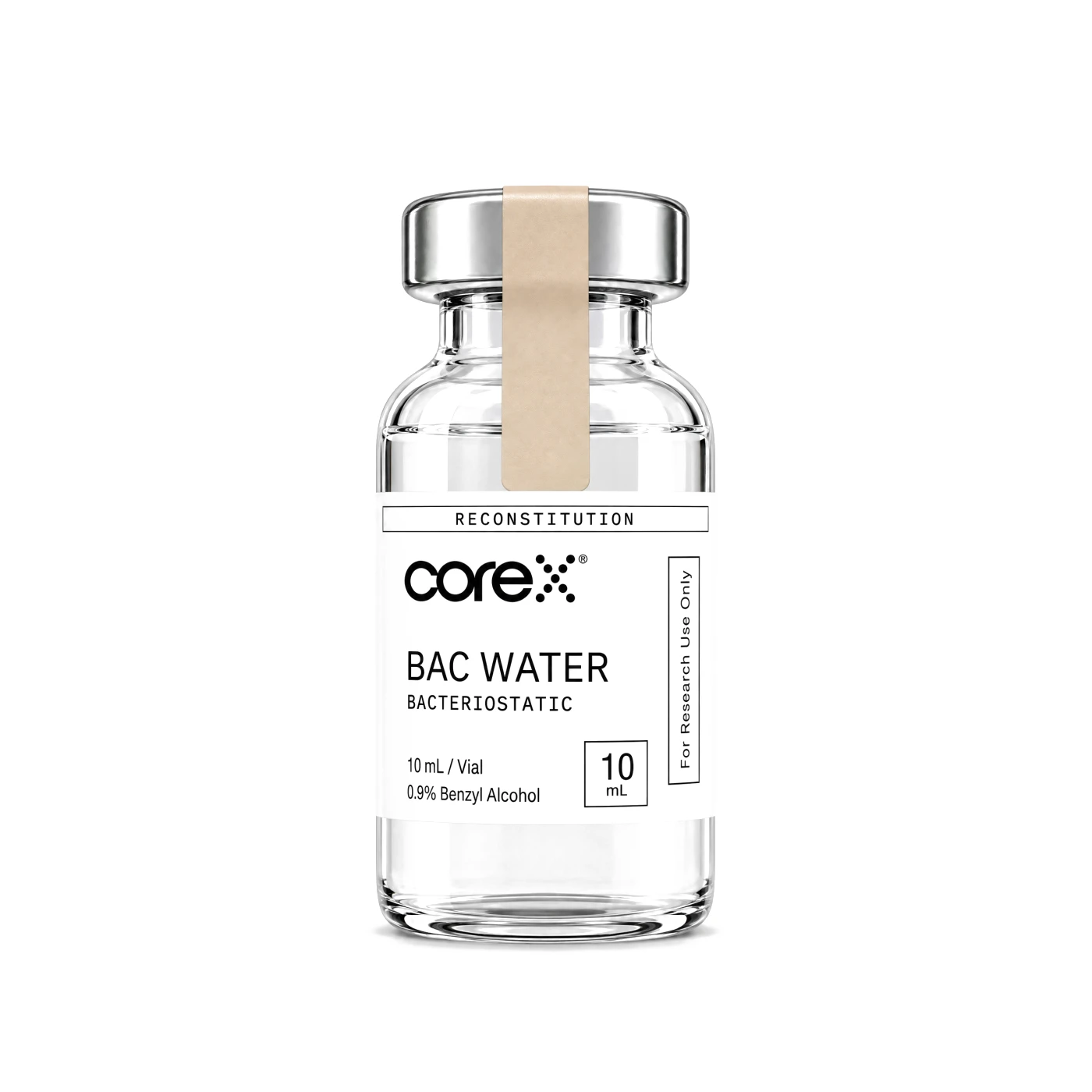
- Bacteriostatic Water
$19.00 · To reconstitute the powder
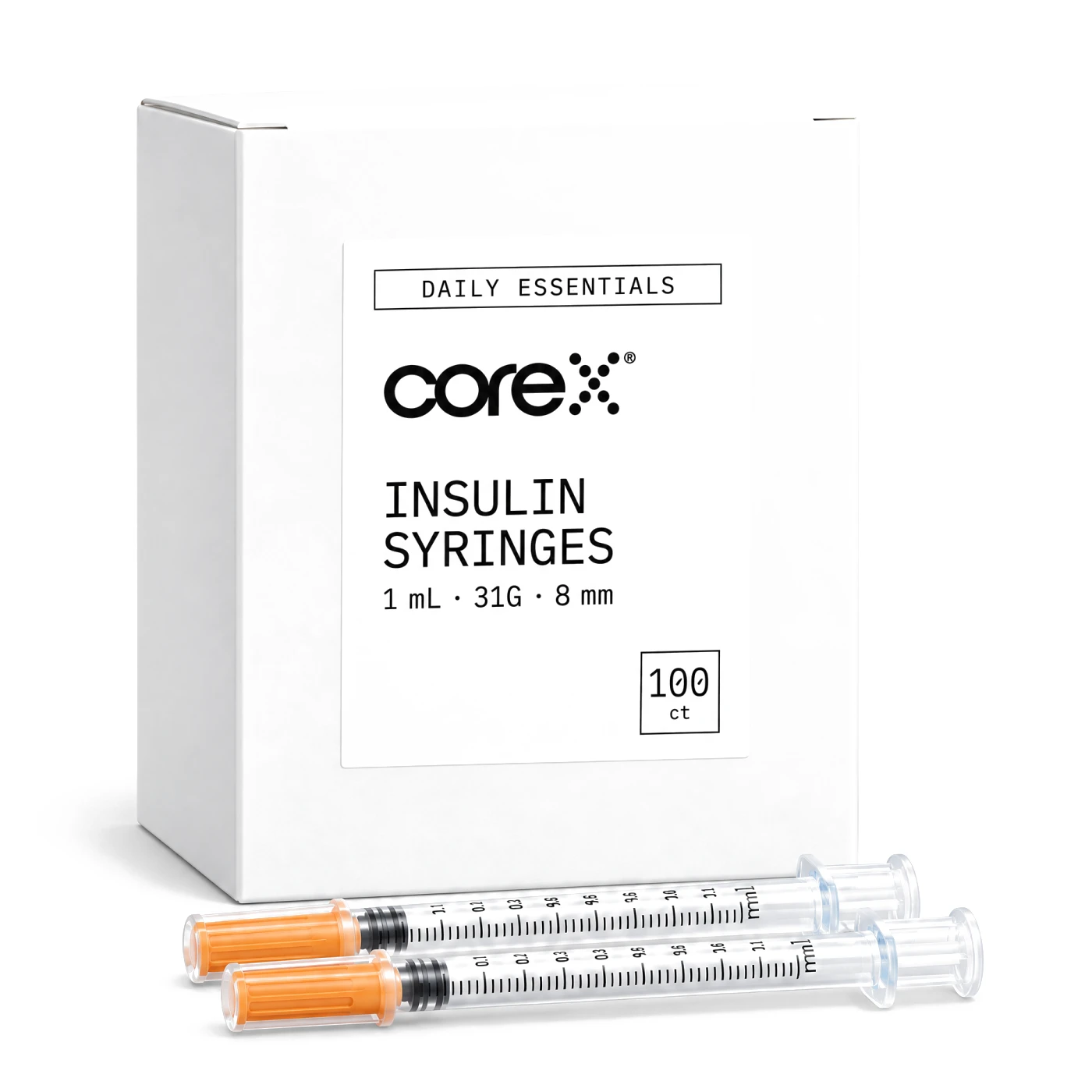
- Needles
Free · For reconstitution
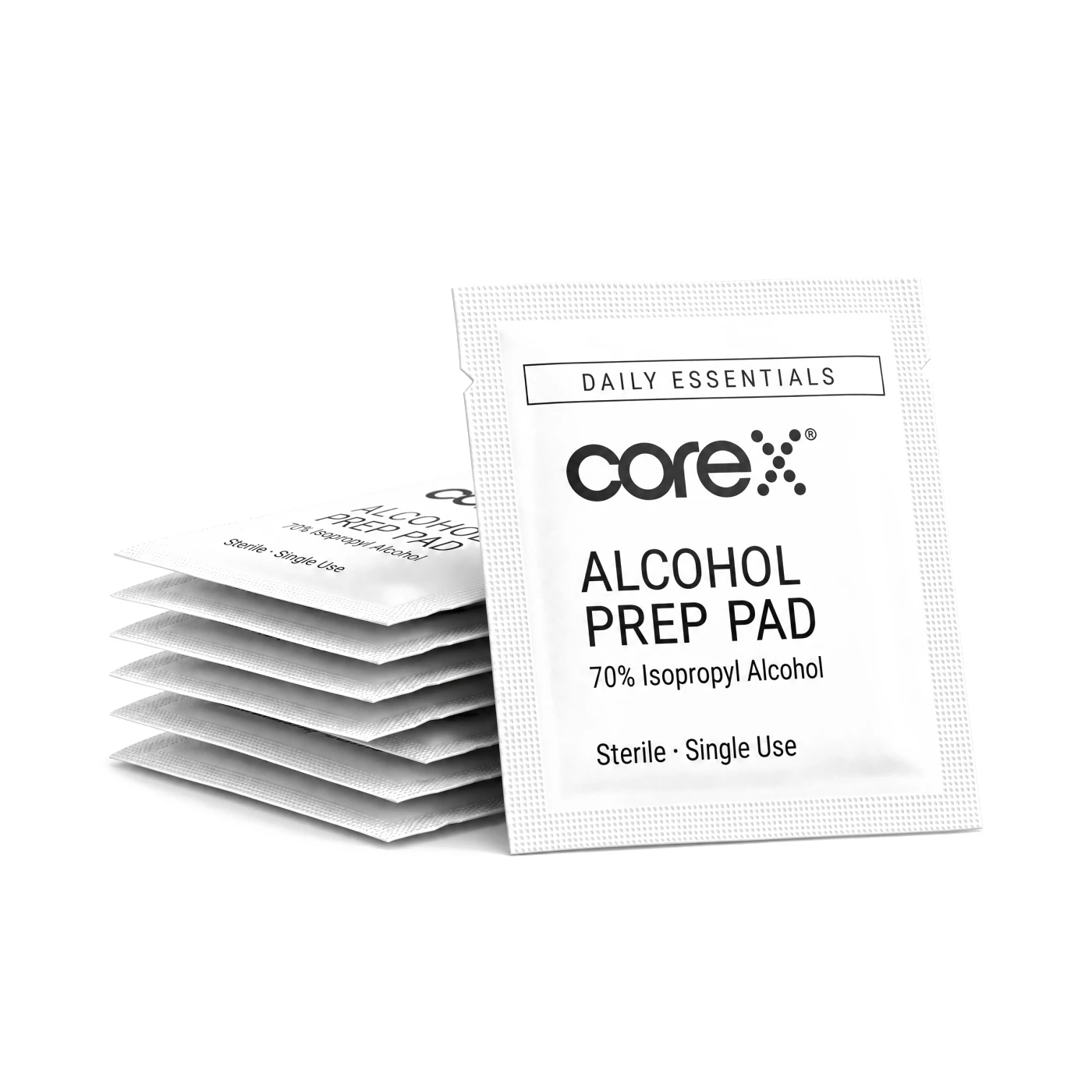
- Alcohol Wipes
Free · To prep the vial stopper
About Glutathione
Glutathione is a tripeptide antioxidant produced in every cell. Research examines its role in redox defense, detoxification pathways, and immune function, the last giving it a Foundation crossover.
How it works
- Redox Cycling
- Alternates between reduced and oxidized forms to neutralize reactive species generated by normal metabolism.
- Detoxification
- Studied as a conjugation substrate in the pathways that prepare compounds for clearance.
What you need
- Bacteriostatic Water
- Needles
- Alcohol Wipes
- A protocol guide comes with every order
Shipping & payment
- Packed and dispatched within 1–2 business days
- Delivered across Canada in 2–5 business days, tracked
- Temperature-controlled packaging where the product needs it
- Free shipping on orders over $120
- Prices in CAD · pay by Interac e-Transfer
- Format
- Lyophilised powder in a sealed vial
- Strength
- 600 mg per vial
- Storage
- Refrigerate, away from light. Once reconstituted, keep refrigerated and use within the window on the insert.
- Reconstitution
- 2 mL bacteriostatic water for this 600 mg vial (300 mg/mL)
- Route in research
- Subcutaneous
- SKU
- GTT600
Handling
- 1ReconstituteAdd bacteriostatic water down the side of the vial. Swirl, never shake. Agitation damages the peptide chain.
- 2StoreRefrigerate at 2–8°C once mixed. Reconstituted peptide is stable for the window given in your protocol guide.
- 3Measure with the calculator Use an insulin syringe at the units your protocol specifies. Rotate sites and log what you take.
- Purity
- High-performance liquid chromatography (HPLC), by an independent laboratory
- Identity
- Mass spectrometry, on the same batch
- How often
- Every batch
- COA
- The certificate of analysis is matched to the lot code printed on your vial
- Evidence
- Early clinical
Check your lot
Every vial carries a lot code. Enter it, or scan the QR on the label, to see its expiry and certificate of analysis.
Early clinicalGlutathione has been examined in small human randomized controlled trials of oral supplementation and skin pigmentation, alongside animal studies and reviews, but no phase 3 trials are indicated in the cited literature.
What research examines
- Redox defense and antioxidant activity
- Phase II detoxification pathways
- Body glutathione stores and immune function markers in human trials
- Skin pigmentation and melasma
- UVB-induced oxidative stress in animal models
- HIV-associated neurocognitive disorders (review)
Reported in studies
- Human safety data for subcutaneous use are limited
- Safety of glutathione for skin lightening has been examined in narrative and systematic reviews
- Reviews describe the skin-lightening evidence as mixed and subject to controversy
- Specific adverse event rates are not summarized in the cited studies
Published research protocols
300 mg, 3x/week, am
Research protocols have used 200–600 mg per administration, 3 times per week (morning). Reported cycle: continuous.
For research use only. These figures summarize published research protocols. They are not instructions or medical advice.
Measure with the calculatorCoreX AI
Ask about Glutathione
Plain answers, from the basics to the studies.
Research information, not medical advice.
FAQ
Questions, answered
Glutathione is a tripeptide antioxidant produced in every cell. Research examines its role in redox defense, detoxification pathways, and immune function. It is categorized under longevity research and also has a Foundation crossover because of the immune function work. CoreX supplies glutathione for laboratory research use only, and the published literature includes cell, animal, and small human studies as well as several reviews.
Research describes glutathione cycling between reduced and oxidized states to neutralize reactive oxygen species generated by normal metabolism. It is also studied as a conjugation substrate in phase II detoxification, the pathways that prepare compounds for clearance from the body. These two roles, redox cycling and detoxification, form the basis of most mechanistic discussion of the molecule in the research literature.
Randomized controlled trials have examined whether oral glutathione, including a liposomal form, raises body stores of glutathione, and one study reported changes in markers of immune function. A substantial body of work has studied glutathione in skin pigmentation and melasma, including a controlled trial combining L-cystine with reduced glutathione. Animal research has examined UVB-induced melanogenesis and oxidative stress, and a review has discussed glutathione in HIV-associated neurocognitive disorders.
Human safety data for subcutaneous glutathione are limited. Narrative and systematic reviews have examined the safety and efficacy of glutathione supplementation for skin lightening, and one review frames the topic in terms of facts, myths, evidence, and controversies, indicating that conclusions remain mixed. Specific adverse event rates are not summarized in the cited studies, so the safety profile should be regarded as incompletely characterized.
Research protocols have used 200–600 mg per administration, 3 times per week in the morning, via the subcutaneous route, with a reported continuous cycle. These figures describe what has been used in research settings and are not recommendations. Each CoreX order ships with a protocol guide for laboratory reference. Oral human trials in the literature used different formulations, so results across routes are not directly comparable.
You may also like
Pen Vial
 Vial
 Vial