 Vial
Thymosin Alpha-1 10 mg vial
Immune support
Investigated for T-cell maturation and immune balance.
$109.00CAD· $10.90/mg
1
- Ships from Canada in 1–2 business days
- Free shipping over $120
Place your order, then send the e-Transfer. We pack it as soon as it arrives.
For research use only. Not for human consumption.
Complete your setup
Needles and wipes are free. Water is $19.
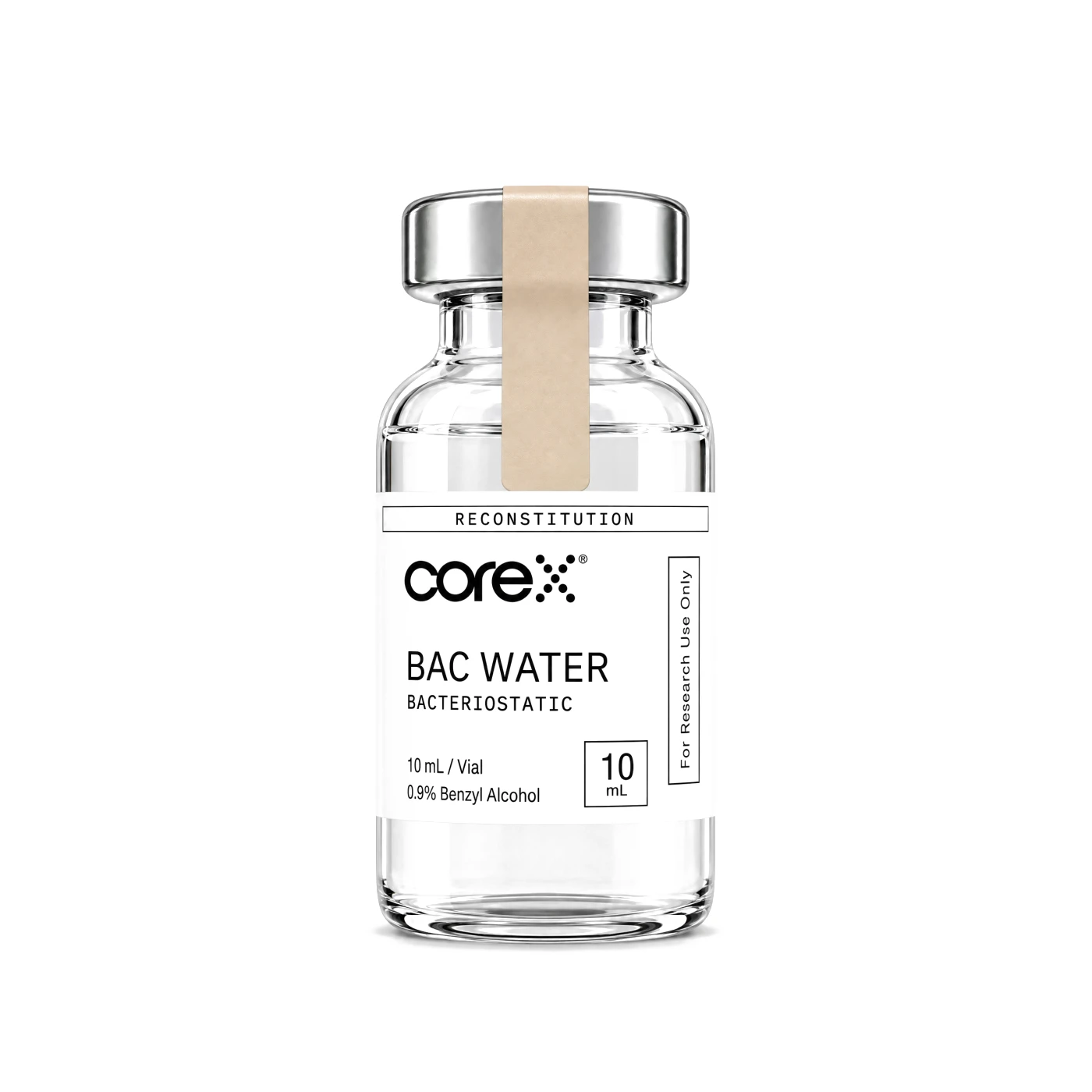
- Bacteriostatic Water
$19.00 · To reconstitute the powder
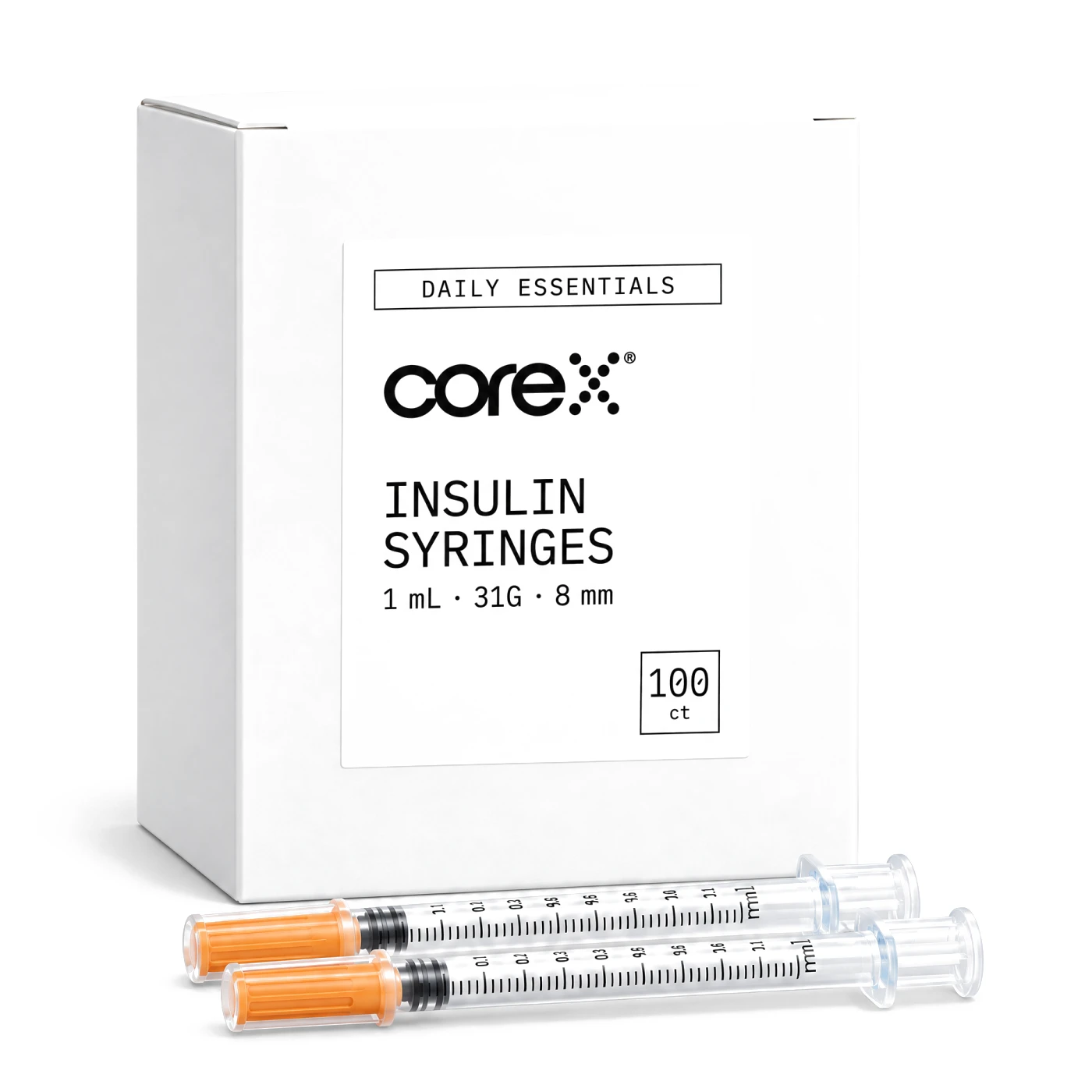
- Needles
Free · For reconstitution
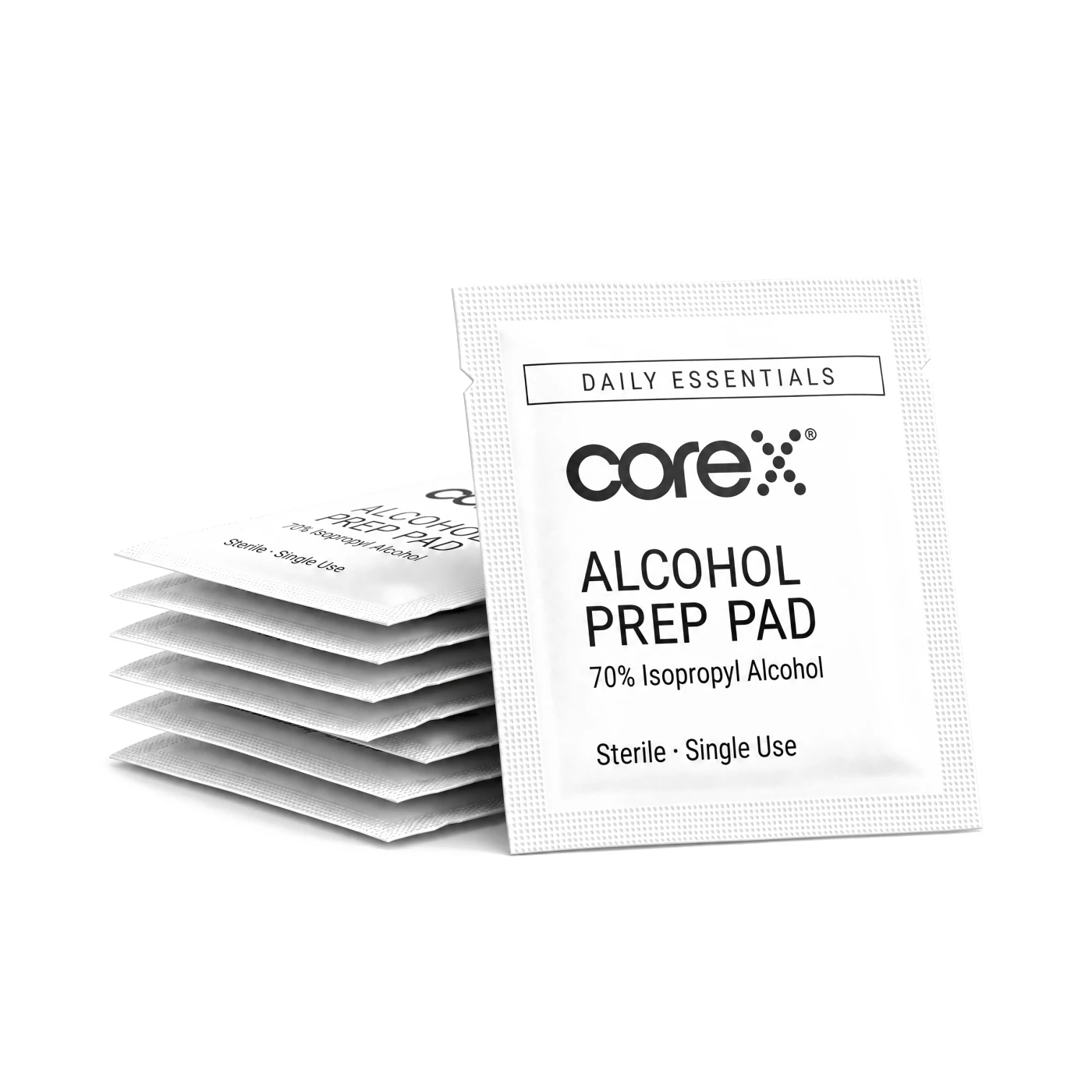
- Alcohol Wipes
Free · To prep the vial stopper
Compare. Side by side, from the research.
About Thymosin Alpha-1
Thymosin Alpha-1 is a peptide originally isolated from thymic tissue. Research examines its role in the maturation of T-cells and in coordinating a balanced immune response.
How it works
- T-Cell Maturation
- Studied for its influence on the development and differentiation of T-cells within adaptive immunity.
- Receptor Signaling
- Explored for activity at toll-like receptors that sit early in the immune recognition cascade.
What you need
- Bacteriostatic Water
- Needles
- Alcohol Wipes
- A protocol guide comes with every order
Shipping & payment
- Packed and dispatched within 1–2 business days
- Delivered across Canada in 2–5 business days, tracked
- Temperature-controlled packaging where the product needs it
- Free shipping on orders over $120
- Prices in CAD · pay by Interac e-Transfer
- Format
- Lyophilised powder in a sealed vial
- Strength
- 10 mg per vial
- Storage
- Refrigerate, away from light. Once reconstituted, keep refrigerated and use within the window on the insert.
- Reconstitution
- 2 mL bacteriostatic water for this 10 mg vial (5 mg/mL)
- Route in research
- Subcutaneous
- SKU
- TA10
Handling
- 1ReconstituteAdd bacteriostatic water down the side of the vial. Swirl, never shake. Agitation damages the peptide chain.
- 2StoreRefrigerate at 2–8°C once mixed. Reconstituted peptide is stable for the window given in your protocol guide.
- 3Measure with the calculator Use an insulin syringe at the units your protocol specifies. Rotate sites and log what you take.
- Purity
- High-performance liquid chromatography (HPLC), by an independent laboratory
- Identity
- Mass spectrometry, on the same batch
- How often
- Every batch
- COA
- The certificate of analysis is matched to the lot code printed on your vial
- Evidence
- Early clinical
Check your lot
Every vial carries a lot code. Enter it, or scan the QR on the label, to see its expiry and certificate of analysis.
Early clinicalThymosin Alpha-1 has been examined in human research, including a multicenter cohort study in COVID-19 and clinical work in chronic hepatitis B, alongside animal and cell studies of its immune effects.
What research examines
- T-cell maturation and differentiation
- Toll-like receptor signaling on dendritic cells
- NK-cell activity in immunosuppressed mouse models
- Chronic hepatitis B research
- COVID-19 in a multicenter cohort study
- Immunoregulation in cancer and immuno-oncology research
Reported in studies
- Human safety data in the cited literature are limited
- Adverse events are not summarized in the cited studies
- A 1996 laboratory study reported that Thymosin Alpha-1 did not promote growth or oncogenic transformation
- Cell studies reported no effect on F508del-CFTR maturation or activity
Published research protocols
1.5 mg, 3x/week, am
Research protocols have used 1.5–3 mg per administration, 3 times per week (morning), in 8-week blocks with 4 weeks off.
For research use only. These figures summarize published research protocols. They are not instructions or medical advice.
Measure with the calculatorCoreX AI
Ask about Thymosin Alpha-1
Plain answers, from the basics to the studies.
Research information, not medical advice.
Often researched with Thymosin Alpha-1
Researched for immune support.
- Vial
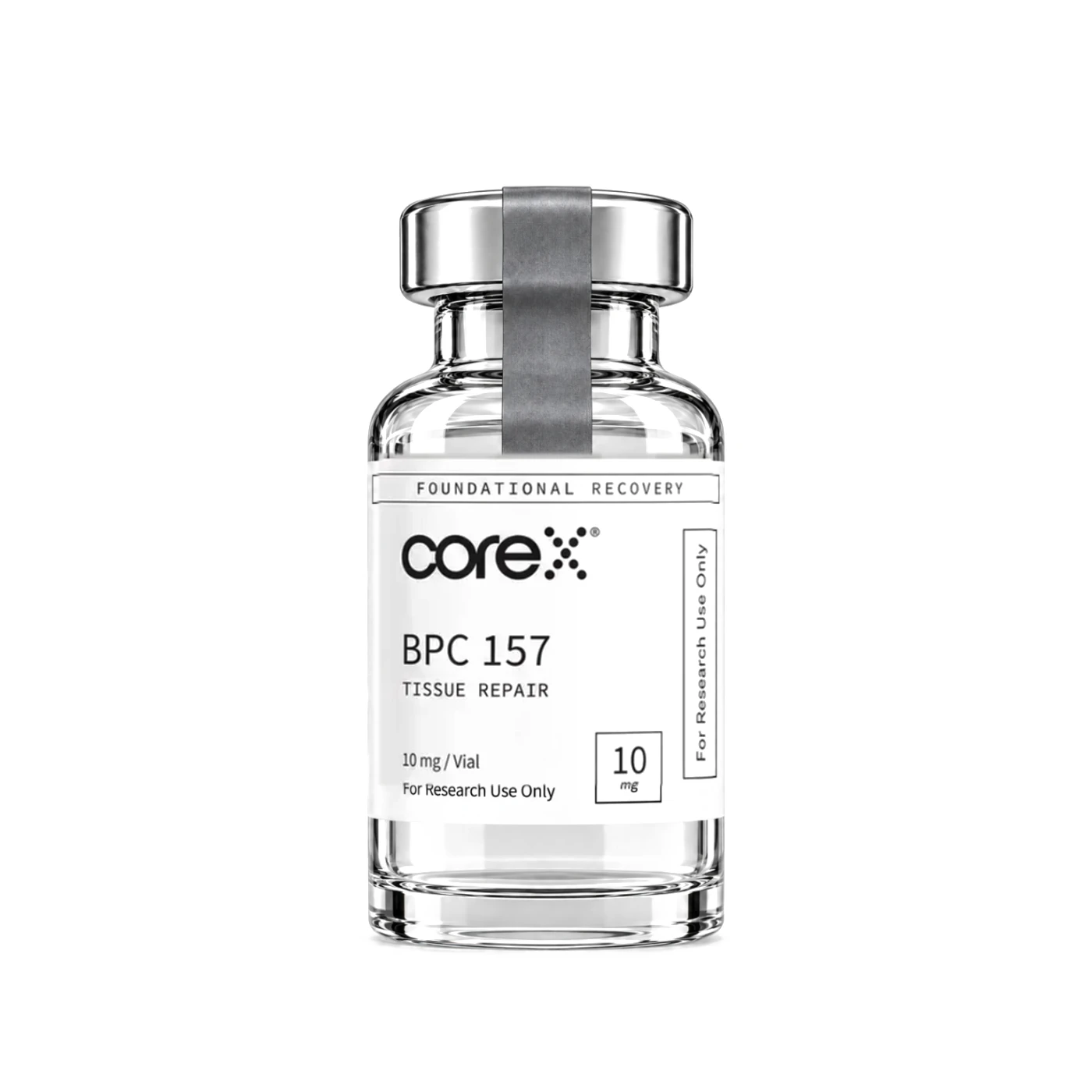 Vial
FAQ
Questions, answered
Thymosin Alpha-1 is a peptide originally isolated from thymic tissue. Research has examined its role in the maturation of T-cells and in coordinating a balanced immune response. It is broadly associated with immune signaling and has been studied for effects on both T-lymphocytes and natural killer (NK) cells. It has been the subject of reviews, animal studies, and human research spanning several decades.
Research investigates Thymosin Alpha-1 for activity at toll-like receptors on dendritic cells, which sit early in the immune recognition cascade. This upstream signaling is thought to relate to the T-cell differentiation it is most associated with. It has also been studied for its influence on the development and differentiation of T-cells within adaptive immunity. The full mechanism remains an active area of investigation.
Research has covered several areas. A 1983 mouse study reported restored NK-cell activity and reduced tumor progression in animals immunosuppressed by cytostatics or X-rays. Human research includes chronic hepatitis B and a multicenter cohort study in COVID-19. Reviews have discussed its immunoregulatory potential in cancer and immuno-oncology, and its relationship to aging. Cystic fibrosis cell studies reported no correction of F508del-CFTR.
Human safety data in the cited literature are limited, and adverse events are not summarized in the cited studies. A 1996 laboratory study reported that Thymosin Alpha-1 did not promote growth or oncogenic transformation. Separate cell studies found it did not influence F508del-CFTR maturation or activity, which is a negative efficacy finding rather than a safety signal. Further controlled research would be needed to characterize its safety profile fully.
Research protocols have used 1.5–3 mg per administration by the subcutaneous route, 3 times per week in the morning, in 8-week blocks followed by 4 weeks off. These figures describe what has appeared in research protocols and are not recommendations. Each CoreX order ships with a protocol guide for laboratory reference. CoreX supplies Thymosin Alpha-1 for laboratory research use only.
You may also like
 Vial · Pen
 Vial · Pen
 Vial
 Vial