 Vial
Semax 10 mg vial
Mental clarity
Investigated for neurotrophic and attention pathways.
$89.00CAD· $8.90/mg
1
- Ships from Canada in 1–2 business days
- Free shipping over $120
Place your order, then send the e-Transfer. We pack it as soon as it arrives.
For research use only. Not for human consumption.
Complete your setup
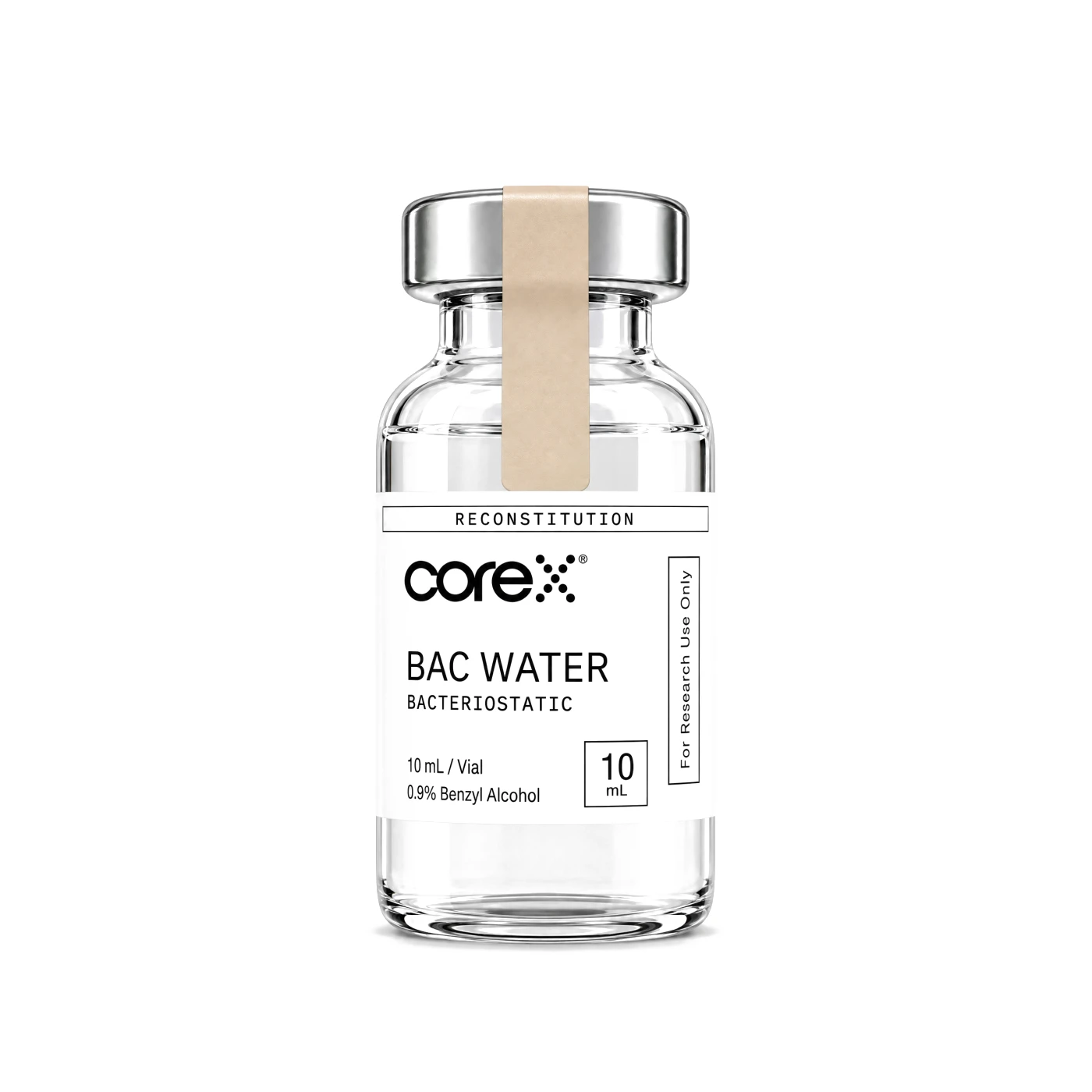
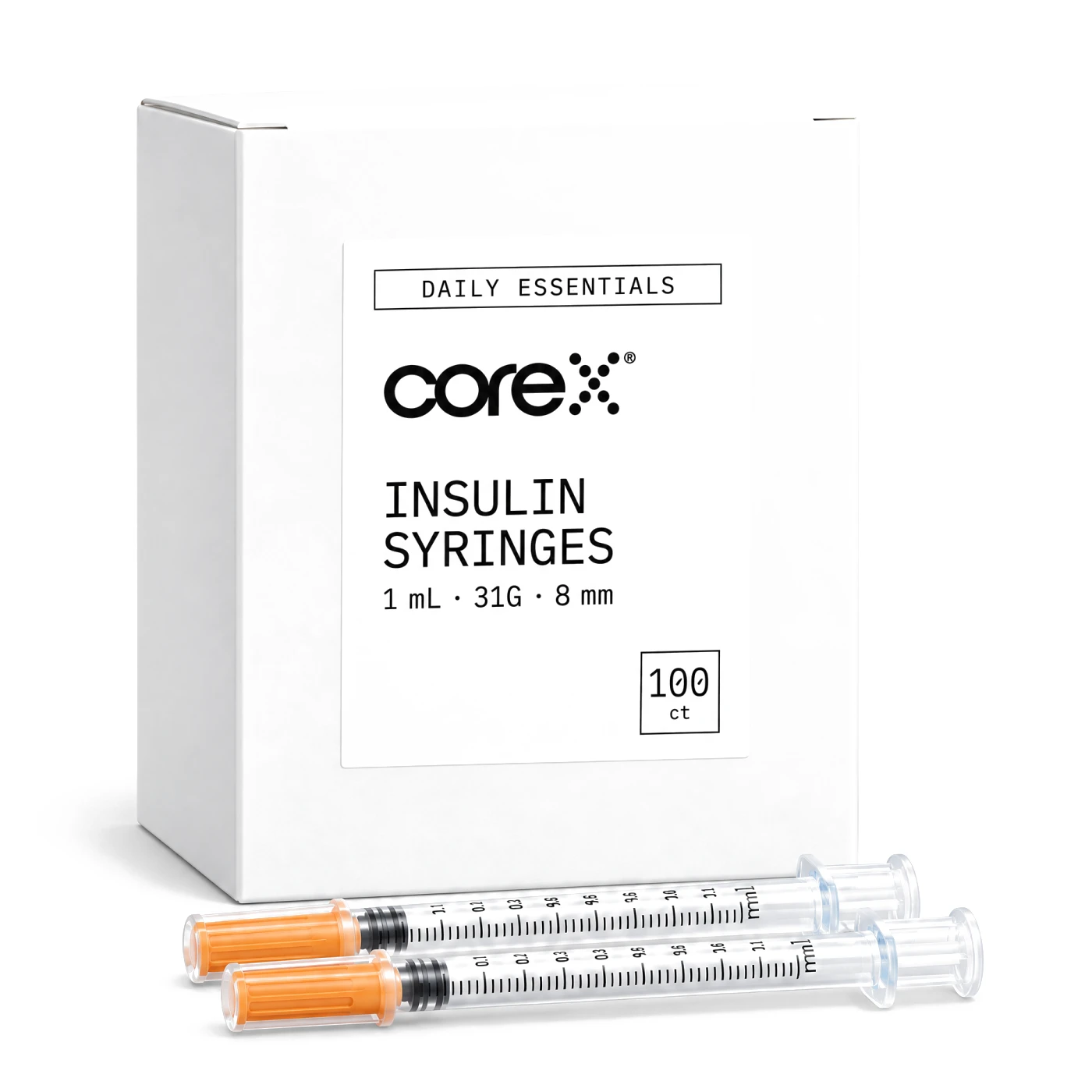
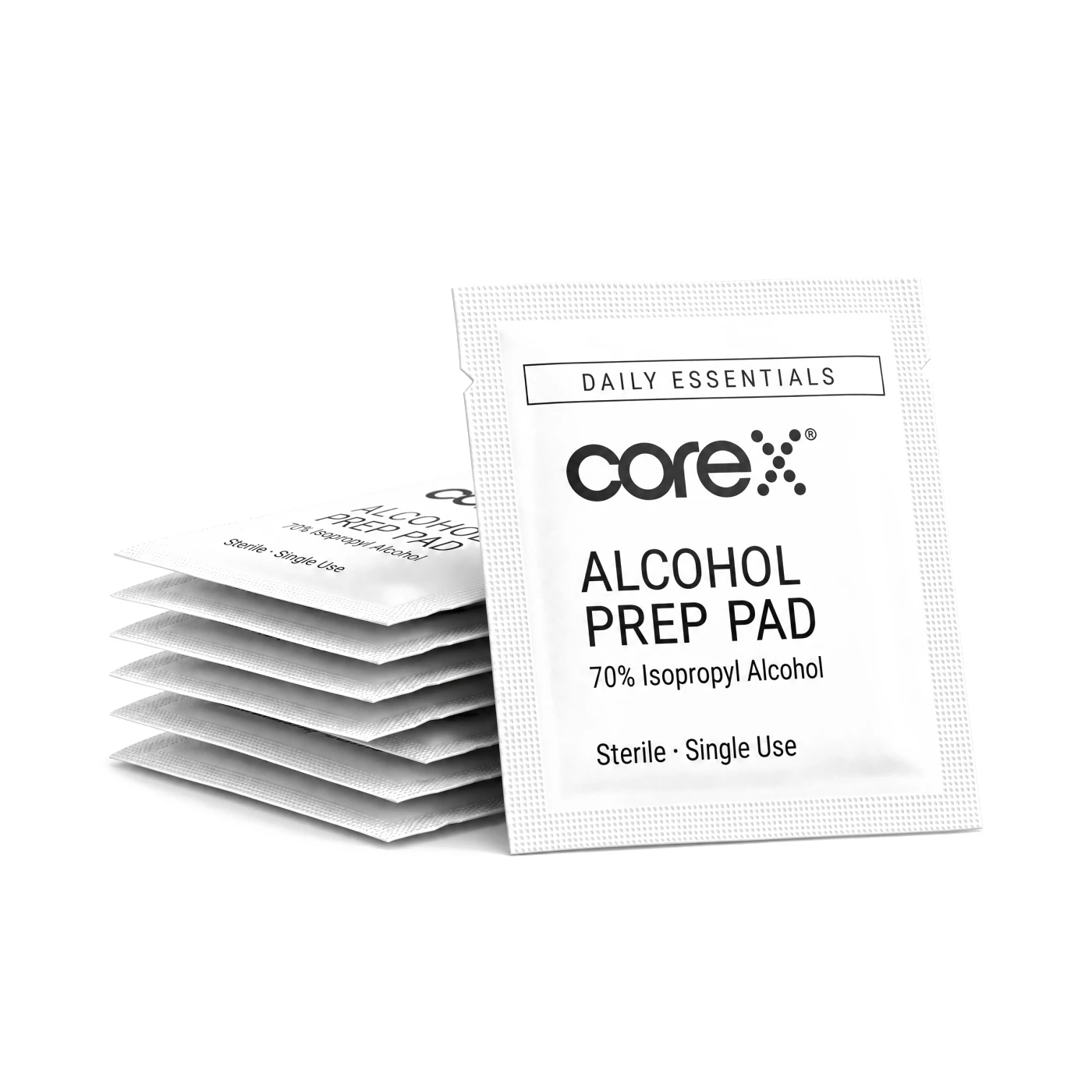
Needles and wipes are free. Water is $19.
- Bacteriostatic Water
$19.00 · To reconstitute the powder
- Needles
Free · For reconstitution
- Alcohol Wipes
Free · To prep the vial stopper
Compare. Side by side, from the research.
About Semax
Semax is a synthetic fragment derived from ACTH, modified so it carries no corticotropic activity. Research examines its role in mental clarity, focus, and cognitive resilience.
How it works
- Neurotrophic Support
- Studied for a role in BDNF signaling, associated with neural adaptability and resilience.
- Attention Pathways
- Explored in research on focus and sustained attention, without the hormonal activity of its parent sequence.
What you need
- Bacteriostatic Water
- Needles
- Alcohol Wipes
- A protocol guide comes with every order
Shipping & payment
- Packed and dispatched within 1–2 business days
- Delivered across Canada in 2–5 business days, tracked
- Temperature-controlled packaging where the product needs it
- Free shipping on orders over $120
- Prices in CAD · pay by Interac e-Transfer
- Format
- Lyophilised powder in a sealed vial
- Strength
- 10 mg per vial
- Storage
- Refrigerate, away from light. Once reconstituted, keep refrigerated and use within the window on the insert.
- Reconstitution
- 2 mL bacteriostatic water for this 10 mg vial (5 mg/mL)
- Route in research
- Subcutaneous
- SKU
- XA10
Handling
- 1ReconstituteAdd bacteriostatic water down the side of the vial. Swirl, never shake. Agitation damages the peptide chain.
- 2StoreRefrigerate at 2–8°C once mixed. Reconstituted peptide is stable for the window given in your protocol guide.
- 3Measure with the calculator Use an insulin syringe at the units your protocol specifies. Rotate sites and log what you take.
- Purity
- High-performance liquid chromatography (HPLC), by an independent laboratory
- Identity
- Mass spectrometry, on the same batch
- How often
- Every batch
- COA
- The certificate of analysis is matched to the lot code printed on your vial
- Evidence
- Early clinical
Check your lot
Every vial carries a lot code. Enter it, or scan the QR on the label, to see its expiry and certificate of analysis.
Early clinicalSemax has been examined in animal models of stroke and spinal cord injury and in small human studies, including a clinical trial in patients with ischemic stroke and brain network imaging research, but large-scale trial data are not available.
What research examines
- Recovery after experimental ischemic stroke in rats
- Outcomes in patients at different stages of ischemic stroke
- BDNF and neurotrophic signaling
- Brain network activity, including the default mode network
- Functional recovery after spinal cord injury in mice
- Attention and focus pathways
Reported in studies
- Human safety data are limited
- Adverse events are not summarized in the cited studies
- Described as an ACTH-derived fragment modified to lack corticotropic activity
- Long-term safety has not been established in large controlled trials
Published research protocols
1 mg, daily, am
Research protocols have used 1–2 mg per administration, once daily (morning), in 4-week blocks with 4 weeks off.
For research use only. These figures summarize published research protocols. They are not instructions or medical advice.
Measure with the calculatorCoreX AI
Ask about Semax
Plain answers, from the basics to the studies.
Research information, not medical advice.
Often researched with Semax
Researched for focus, mood & sleep.
- Vial
 Vial
FAQ
Questions, answered
Semax is a synthetic peptide derived from a fragment of adrenocorticotropic hormone (ACTH), described in the literature as a synthetic analog of ACTH(4-10). It has been modified so that it does not carry the corticotropic, or hormone-releasing, activity of its parent sequence. Research has examined Semax in the context of mental clarity, focus, cognitive resilience and neuroprotection, including animal models of stroke and spinal cord injury.
Research has investigated Semax for its influence on brain-derived neurotrophic factor (BDNF) expression, a signaling pathway associated with neural adaptability and resilience. It has also been studied in relation to dopaminergic and serotonergic systems linked to attention. Genome-wide studies in rats with focal brain ischemia reported changes in the expression of genes related to immune and vascular systems, and one mouse study linked its effects after spinal cord injury to the μ opioid receptor gene Oprm1.
Published work has examined Semax in rat models of experimental stroke, where ACTH-like peptides were reported to shift brain gene expression profiles disrupted by ischemia. A clinical trial evaluated Semax in patients at different stages of ischemic stroke. Imaging studies have explored its effects on the brain's default mode network and functional connectivity, and a 2025 mouse study examined functional recovery after spinal cord injury. Early evidence is promising but not definitive.
Human safety data on Semax are limited, and adverse events are not summarized in the cited studies. The peptide is described as a modified ACTH fragment lacking corticotropic activity, meaning it is not expected to act on the hormonal pathways of its parent sequence, but this has not been confirmed through large, long-term controlled trials. Much of the available research comes from animal models and relatively small human studies.
Research protocols have used 1–2 mg per administration by the subcutaneous route, once daily in the morning, in 4-week blocks followed by 4 weeks off. These figures describe what research protocols have used and are not a recommendation. Each CoreX order ships with a protocol guide for laboratory reference. Semax is supplied for laboratory research use only.
You may also like
 Vial
 Vial
 VialVial