 Vial
Oxytocin 10 mg vial
Mood & connection
Investigated for social cognition and stress-axis regulation.
$69.00CAD· $6.90/mg
1
- Ships from Canada in 1–2 business days
- Free shipping over $120
Place your order, then send the e-Transfer. We pack it as soon as it arrives.
For research use only. Not for human consumption.
Complete your setup
Needles and wipes are free. Water is $19.
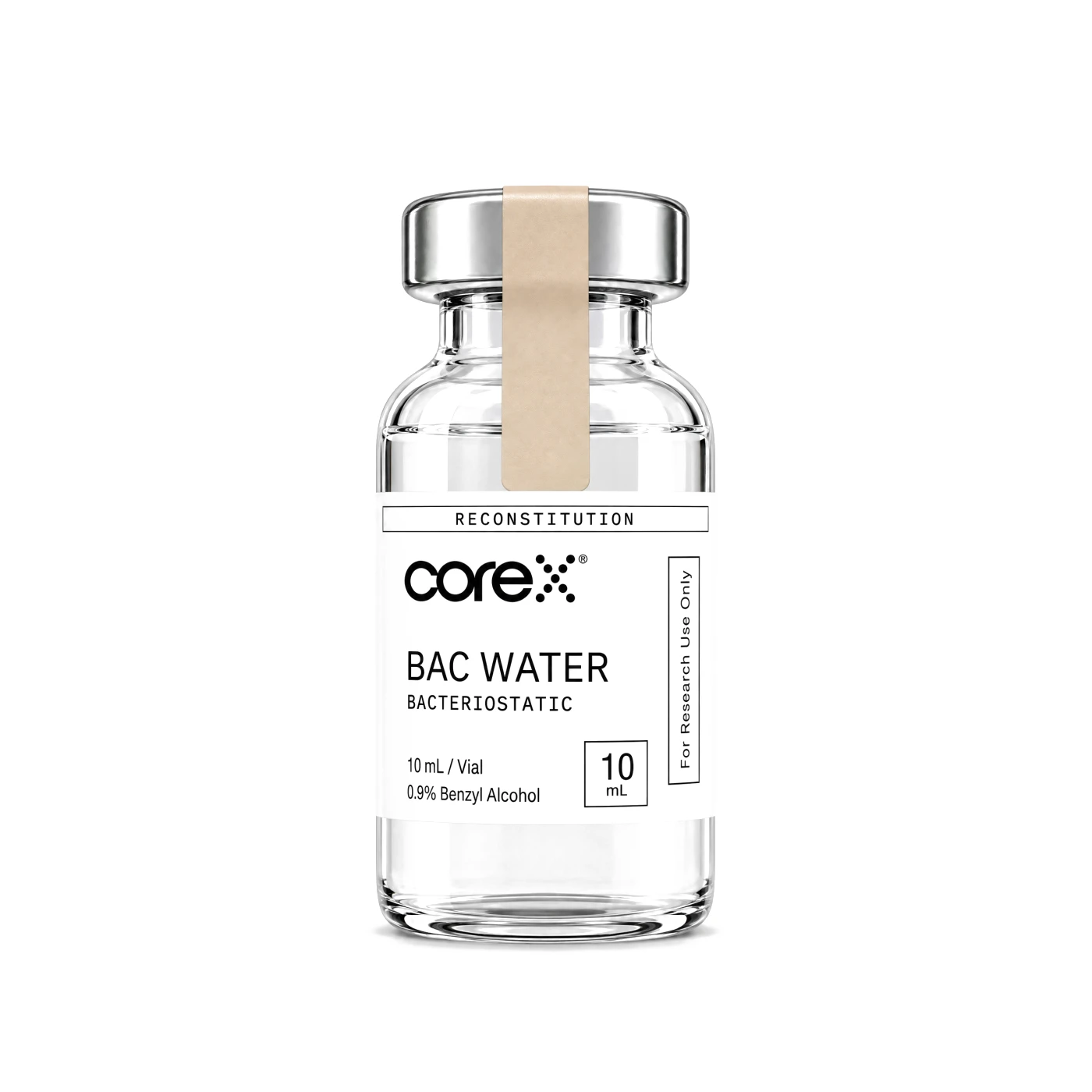
- Bacteriostatic Water
$19.00 · To reconstitute the powder
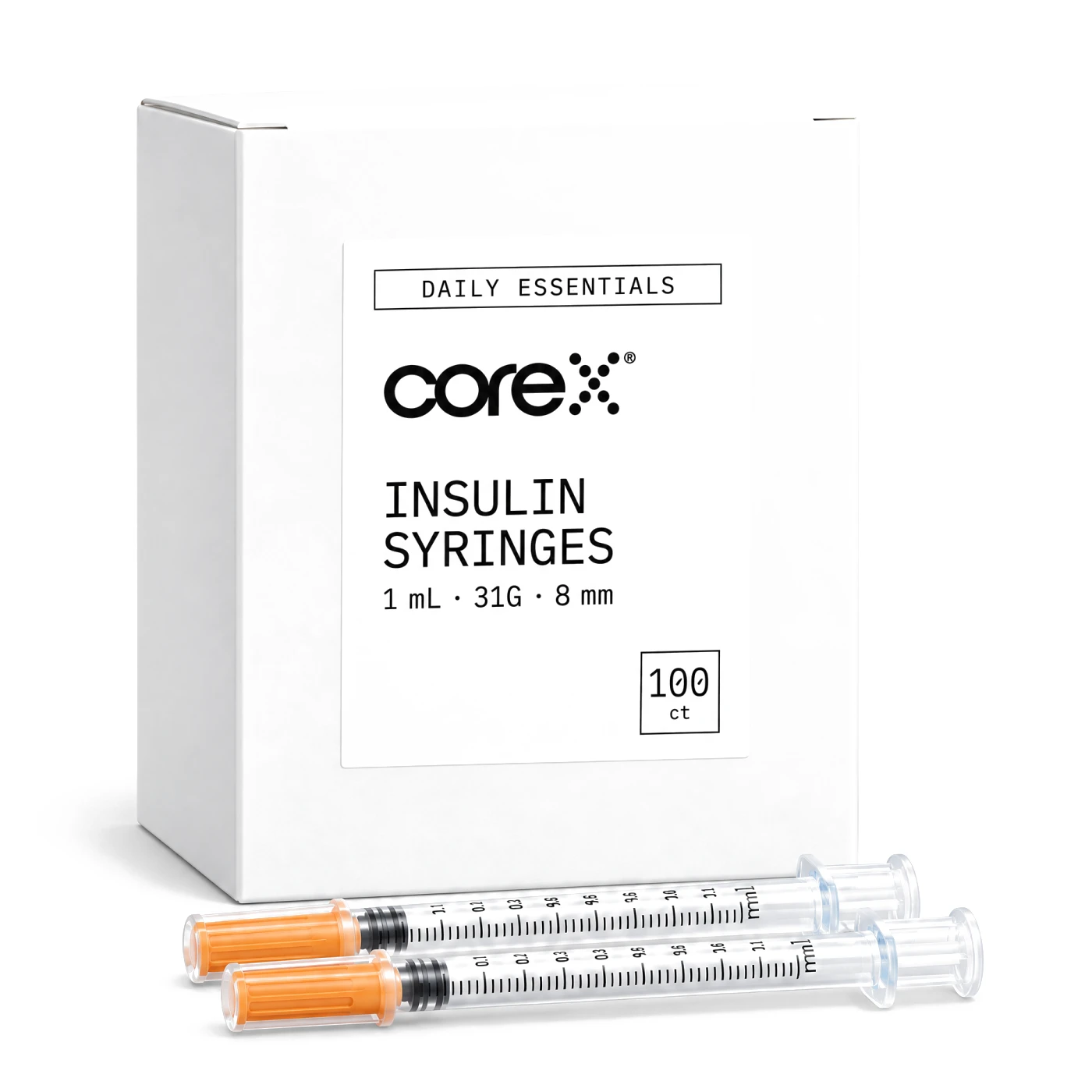
- Needles
Free · For reconstitution
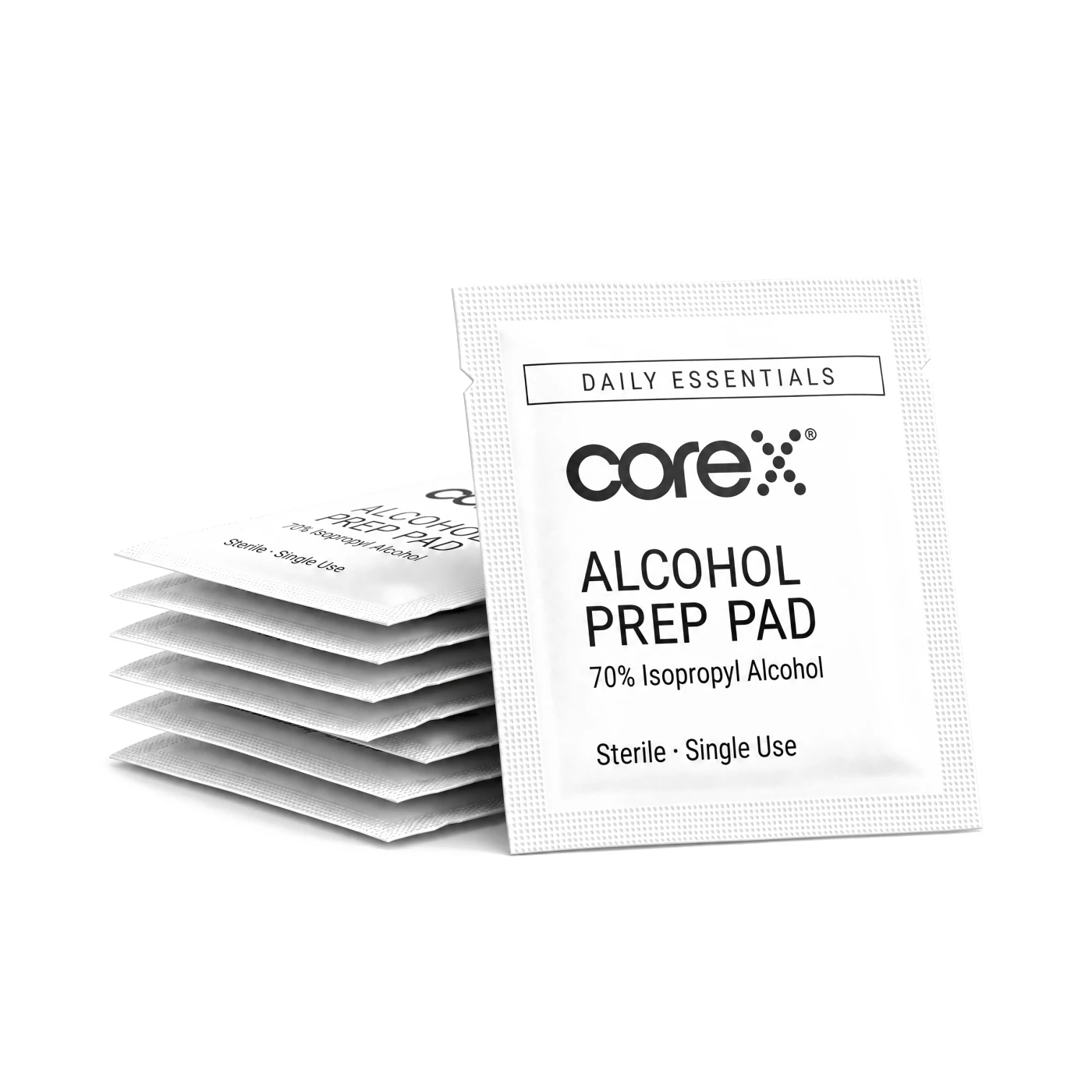
- Alcohol Wipes
Free · To prep the vial stopper
About Oxytocin
Oxytocin is a nine-amino-acid peptide hormone synthesized in the hypothalamus and released from the posterior pituitary. Research examines its role in social cognition, bonding and attachment, and the modulation of the hypothalamic-pituitary-adrenal stress axis.
How it works
- Social Cognition
- Studied for influence on social recognition, trust-related processing and attachment in animal and human research.
- Stress Axis
- Explored for modulation of HPA-axis reactivity and the buffering of stress responses by social contact.
- Receptor Signaling
- Studied for action at oxytocin receptors in the amygdala, hypothalamus and other limbic regions.
What you need
- Bacteriostatic Water
- Needles
- Alcohol Wipes
- A protocol guide comes with every order
Shipping & payment
- Packed and dispatched within 1–2 business days
- Delivered across Canada in 2–5 business days, tracked
- Temperature-controlled packaging where the product needs it
- Free shipping on orders over $120
- Prices in CAD · pay by Interac e-Transfer
- Format
- Lyophilised powder in a sealed vial
- Strength
- 10 mg per vial
- Storage
- Refrigerate, away from light. Once reconstituted, keep refrigerated and use within the window on the insert.
- Reconstitution
- 2 mL bacteriostatic water for this 10 mg vial (5 mg/mL)
- Route in research
- Subcutaneous
- SKU
- OT10
Handling
- 1ReconstituteAdd bacteriostatic water down the side of the vial. Swirl, never shake. Agitation damages the peptide chain.
- 2StoreRefrigerate at 2–8°C once mixed. Reconstituted peptide is stable for the window given in your protocol guide.
- 3Measure with the calculator Use an insulin syringe at the units your protocol specifies. Rotate sites and log what you take.
- Purity
- High-performance liquid chromatography (HPLC), by an independent laboratory
- Identity
- Mass spectrometry, on the same batch
- How often
- Every batch
- COA
- The certificate of analysis is matched to the lot code printed on your vial
Check your lot
Every vial carries a lot code. Enter it, or scan the QR on the label, to see its expiry and certificate of analysis.
CoreX AI
Ask about Oxytocin
Plain answers, from the basics to the studies.
Research information, not medical advice.
FAQ
Questions, answered
Peptides are short chains of amino acids, the same building blocks that make up proteins, just in shorter sequences. The body produces many of them naturally, where they act as signaling molecules that tell cells what to do.
They are usually grouped by what they signal. Some are studied in the context of hormone release, others in tissue repair, immune regulation, metabolic balance, or neural signaling. The categories on this site follow that logic rather than chemical structure.
Most bind to specific receptors on or inside cells, which sets off a downstream cascade. Because they act on defined receptors, research into any given peptide tends to focus on a narrow set of pathways rather than broad systemic effects.
Their specificity. A compound that acts on one receptor family is easier to study, and easier to reason about, than one with wide-ranging activity. That precision is what draws research interest.
Ours are produced through solid-phase peptide synthesis, a controlled process that assembles the amino acid sequence step by step. Every batch is then verified by an independent laboratory.
You may also like
Vial Vial
 Vial
 Vial