 Vial · Pen
LL-37 5 mg vial
Immune defence
Investigated for innate immune defense signaling.
$69.00CAD· $13.80/mg
1
- Ships from Canada in 1–2 business days
- Free shipping over $120
Place your order, then send the e-Transfer. We pack it as soon as it arrives.
For research use only. Not for human consumption.
Complete your setup
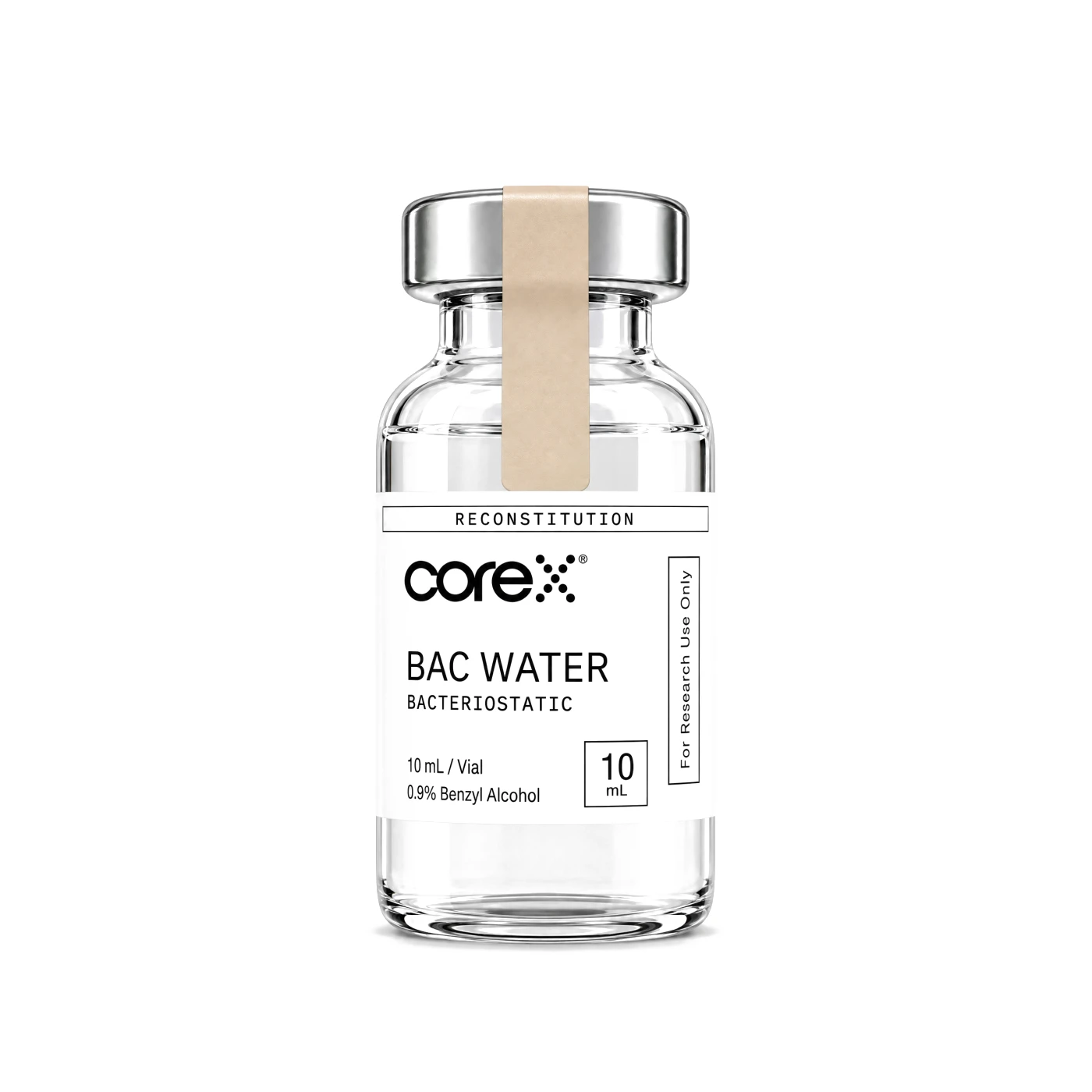
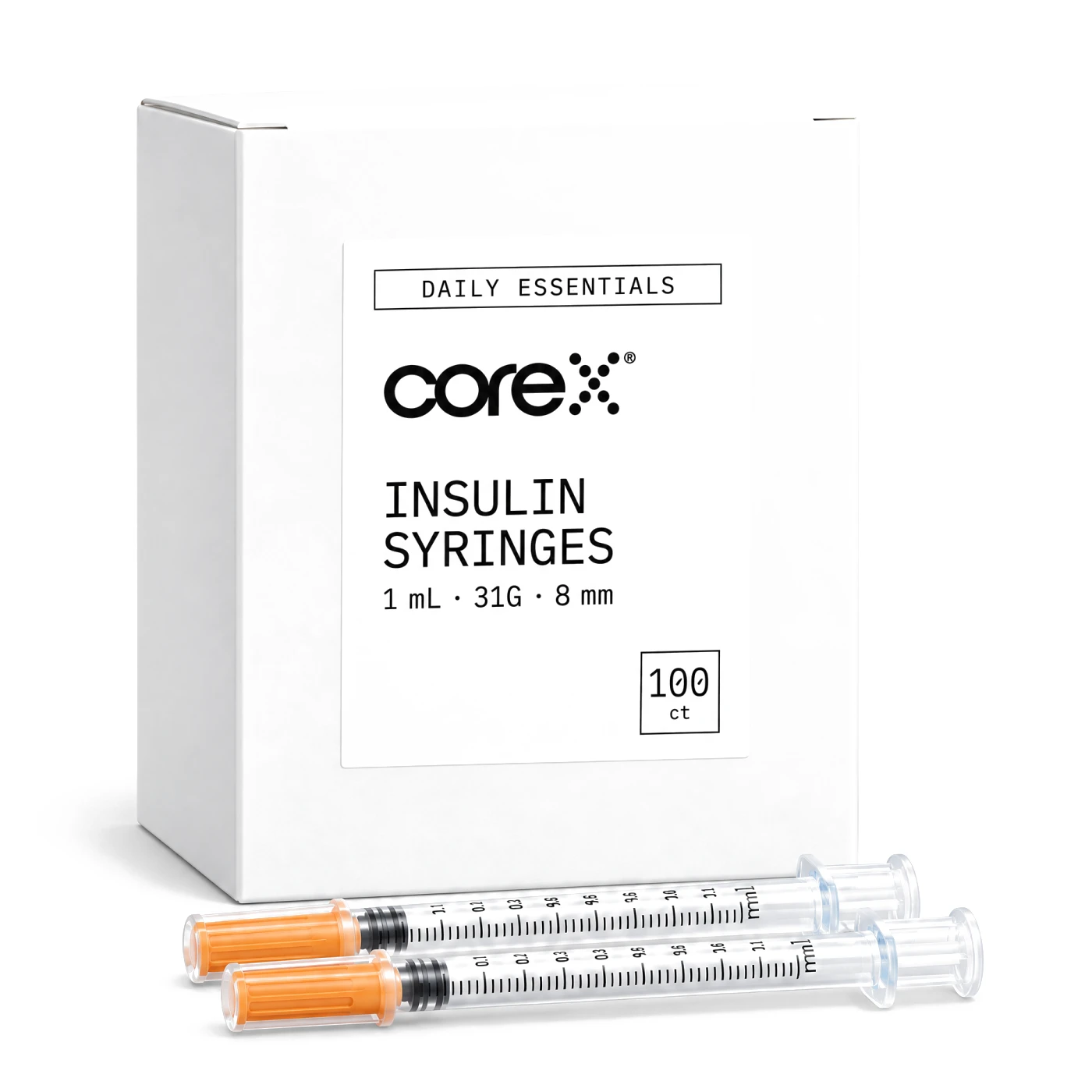
Needles and wipes are free. Water is $19.
- Bacteriostatic Water
$19.00 · To reconstitute the powder
- Needles
Free · For reconstitution
- Alcohol Wipes
Free · To prep the vial stopper
About LL-37
LL-37 is the only human cathelicidin-derived antimicrobial peptide. Research examines its dual role in direct microbial defense and in modulating the wider innate immune response.
How it works
- Membrane Activity
- Studied for direct interaction with microbial membranes, a mechanism distinct from conventional antimicrobial pathways.
- Immune Modulation
- Explored for its role in recruiting immune cells and shaping the inflammatory response to a challenge.
What you need
- Bacteriostatic Water
- Needles
- Alcohol Wipes
- A protocol guide comes with every order
Shipping & payment
- Packed and dispatched within 1–2 business days
- Delivered across Canada in 2–5 business days, tracked
- Temperature-controlled packaging where the product needs it
- Free shipping on orders over $120
- Prices in CAD · pay by Interac e-Transfer
- Format
- Lyophilised powder in a sealed vial
- Strength
- 5 mg per vial
- Storage
- Refrigerate, away from light. Once reconstituted, keep refrigerated and use within the window on the insert.
- Reconstitution
- 2 mL bacteriostatic water for this 5 mg vial (2.5 mg/mL)
- Route in research
- Subcutaneous
- SKU
- 375
Handling
- 1ReconstituteAdd bacteriostatic water down the side of the vial. Swirl, never shake. Agitation damages the peptide chain.
- 2StoreRefrigerate at 2–8°C once mixed. Reconstituted peptide is stable for the window given in your protocol guide.
- 3Measure with the calculator Use an insulin syringe at the units your protocol specifies. Rotate sites and log what you take.
- Purity
- High-performance liquid chromatography (HPLC), by an independent laboratory
- Identity
- Mass spectrometry, on the same batch
- How often
- Every batch
- COA
- The certificate of analysis is matched to the lot code printed on your vial
- Evidence
- Preclinical
Check your lot
Every vial carries a lot code. Enter it, or scan the QR on the label, to see its expiry and certificate of analysis.
PreclinicalThe available LL-37 literature consists mainly of reviews and laboratory studies of its antimicrobial and immune roles, and none of the cited work names a clinical trial of the peptide.
What research examines
- Direct antimicrobial membrane activity
- Antibiofilm properties in laboratory studies
- Innate immune modulation and immune cell recruitment
- Role in oral cavity health and disease
- Role in inflammatory bowel disease and lupus pathophysiology
- Membrane-active nanoparticle antimicrobial conjugates
Reported in studies
- Human safety data for LL-37 are limited
- Laboratory work has reported LL-37-induced cytotoxicity in human osteoblasts
- Reviews examine a possible role for LL-37 in cancer development
- Studied as a contributing molecule in the pathophysiology of systemic lupus erythematosus
Published research protocols
200 mcg, daily, am
Research protocols have used 100–500 mcg per administration, once daily (morning), in 4-week blocks with 4 weeks off.
For research use only. These figures summarize published research protocols. They are not instructions or medical advice.
Measure with the calculatorCoreX AI
Ask about LL-37
Plain answers, from the basics to the studies.
Research information, not medical advice.
FAQ
Questions, answered
LL-37 is the only human cathelicidin-derived antimicrobial peptide. It is part of the innate immune system and has drawn research interest for a dual role: direct defense against microbes and modulation of the wider innate immune response. Reviews describe it as a multitask peptide with pleiotropic activity, and it is studied across several areas, including infection, inflammation, autoimmunity and cancer biology.
Research describes two main mechanisms. First, LL-37 interacts directly with microbial membranes and disrupts them, a mode of action distinct from conventional antimicrobial pathways. Second, it acts as a signaling molecule that recruits immune cells and shapes the inflammatory response to a challenge. This combination of direct membrane activity and immune signaling is a central theme in the published reviews of the peptide.
Published reviews have examined LL-37 antibiofilm properties, its roles in health and disease of the oral cavity, and its involvement in inflammatory bowel disease and systemic lupus erythematosus. Other work has explored its roles and mechanisms in cancer, as well as nanoantibiotic designs that attach membrane-active LL-37 to magnetic nanoparticles. Most of this literature is review-based or laboratory work rather than clinical trial data.
Human safety data are limited, and adverse events are not summarized in the cited studies. Laboratory research has reported LL-37-induced cytotoxicity in human osteoblasts, which was examined in connection with vitamin D-triggered hCAP18/LL-37 production. Reviews also discuss possible roles for LL-37 in cancer development and in the pathophysiology of systemic lupus erythematosus. These findings suggest that its biological effects depend on context.
Research protocols have used 100 to 500 mcg per administration by the subcutaneous route, once daily in the morning, in 4-week blocks followed by 4 weeks off. These figures describe what research protocols have used and are not a recommendation. Each CoreX order ships with a protocol guide for laboratory research reference. CoreX supplies LL-37 for laboratory research use only.
You may also like
Vial · Pen Vial · Pen
 Vial
 Vial