 Vial · Pen
IGF-1 1 mg vial
Growth factor research
Investigated for anabolic and tissue growth signaling.
$139.00CAD· $139.00/mg
1
- Ships from Canada in 1–2 business days
- Free shipping over $120
Place your order, then send the e-Transfer. We pack it as soon as it arrives.
For research use only. Not for human consumption.
Complete your setup
Needles and wipes are free. Water is $19.
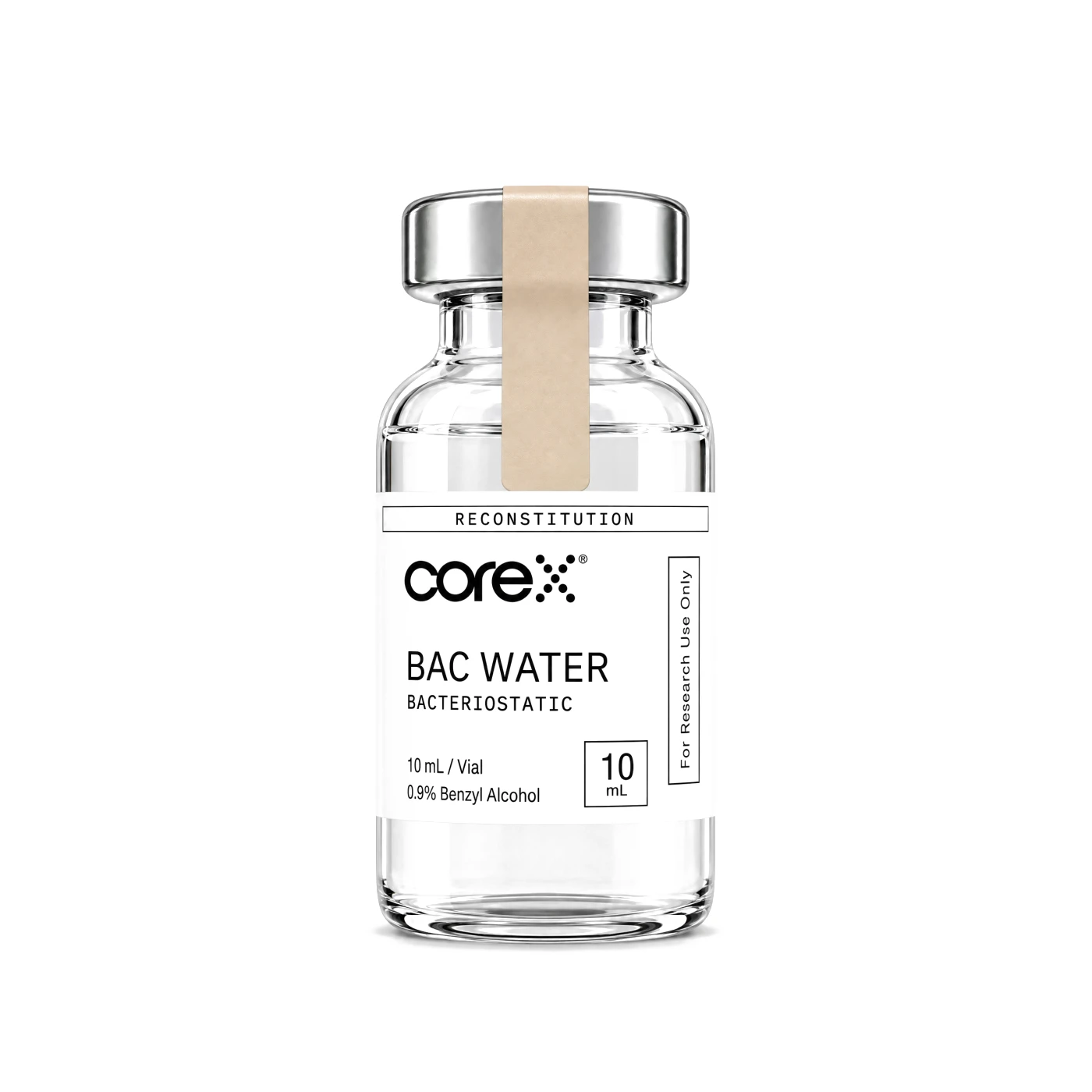
- Bacteriostatic Water
$19.00 · To reconstitute the powder
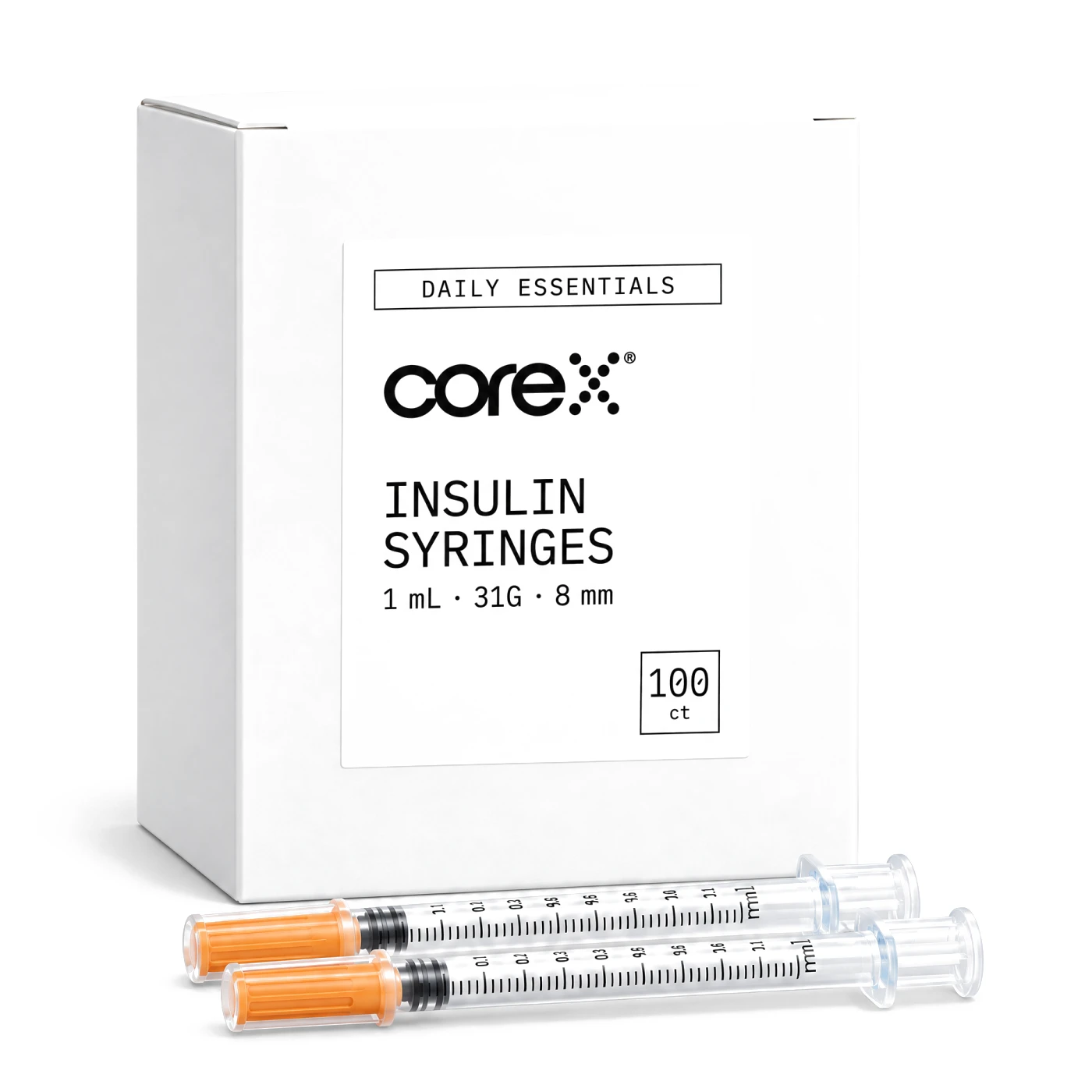
- Needles
Free · For reconstitution
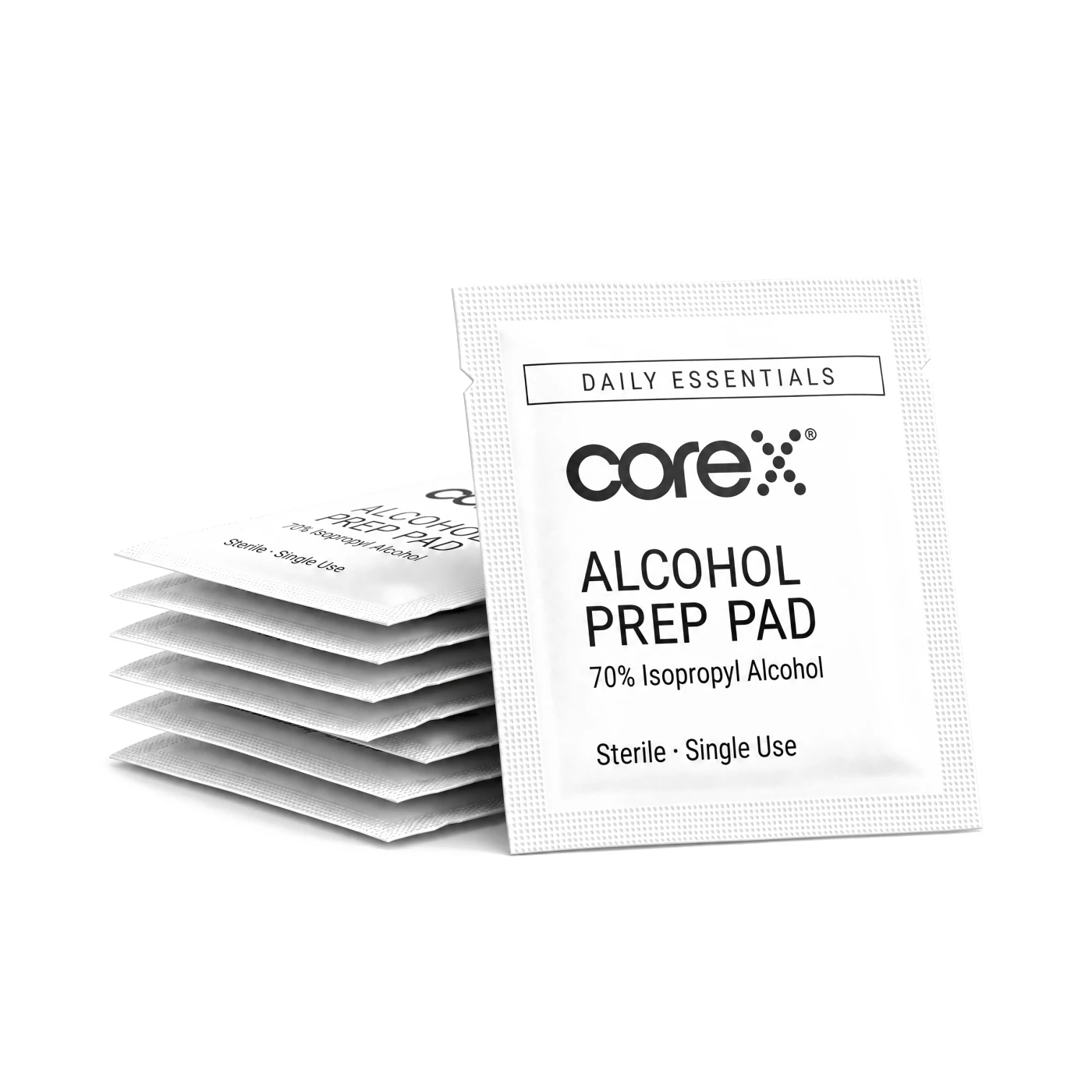
- Alcohol Wipes
Free · To prep the vial stopper
About IGF-1
IGF-1 is the primary mediator of growth hormone's effects. Research examines its role in anabolic signaling, tissue growth, and the pathways downstream of the growth-hormone axis.
How it works
- Downstream Mediator
- Studied as the molecule through which much of growth hormone's activity is actually expressed.
- Anabolic Signaling
- Explored for activation of pathways associated with protein synthesis and tissue growth.
What you need
- Bacteriostatic Water
- Needles
- Alcohol Wipes
- A protocol guide comes with every order
Shipping & payment
- Packed and dispatched within 1–2 business days
- Delivered across Canada in 2–5 business days, tracked
- Temperature-controlled packaging where the product needs it
- Free shipping on orders over $120
- Prices in CAD · pay by Interac e-Transfer
- Format
- Lyophilised powder in a sealed vial
- Strength
- 1 mg per vial
- Storage
- Refrigerate, away from light. Once reconstituted, keep refrigerated and use within the window on the insert.
- Reconstitution
- 2 mL bacteriostatic water for this 1 mg vial (0.5 mg/mL)
- Route in research
- Subcutaneous
- SKU
- IGF1
Handling
- 1ReconstituteAdd bacteriostatic water down the side of the vial. Swirl, never shake. Agitation damages the peptide chain.
- 2StoreRefrigerate at 2–8°C once mixed. Reconstituted peptide is stable for the window given in your protocol guide.
- 3Measure with the calculator Use an insulin syringe at the units your protocol specifies. Rotate sites and log what you take.
- Purity
- High-performance liquid chromatography (HPLC), by an independent laboratory
- Identity
- Mass spectrometry, on the same batch
- How often
- Every batch
- COA
- The certificate of analysis is matched to the lot code printed on your vial
- Evidence
- Approved analog
Check your lot
Every vial carries a lot code. Enter it, or scan the QR on the label, to see its expiry and certificate of analysis.
Approved analogRecombinant human IGF-1 has been developed as the pharmaceutical agents mecasermin and mecasermin rinfabate, which are the subject of clinical drug reviews, while much of the remaining research on IGF-1 is in animal and cell models.
What research examines
- Anabolic signaling and protein synthesis pathways
- Growth hormone axis downstream signaling
- Bone composition and remodeling in mouse models
- Organ-specific growth in fetal sheep
- Intraventricular hemorrhage prevention in preterm rabbit pups (with IGFBP-3)
- Metabolic effects of altered IGF-1 bioavailability in animal models
Reported in studies
- Human safety data for research-grade IGF-1 are limited
- Adverse events are not summarized in the cited preclinical studies
- IGF-1 signaling has been studied as a driver of breast cancer cell invasion and migration via PI3K/Akt pathways
- Sex-specific differences in bone and metabolic responses reported in PAPPA2-deficient mouse models
Published research protocols
30 mcg, daily, am
Research protocols have used 20–100 mcg per administration, once daily (morning), in 4-week blocks with 4 weeks off.
For research use only. These figures summarize published research protocols. They are not instructions or medical advice.
Measure with the calculatorCoreX AI
Ask about IGF-1
Plain answers, from the basics to the studies.
Research information, not medical advice.
FAQ
Questions, answered
IGF-1 (insulin-like growth factor 1) is described in research as the primary mediator of growth hormone's effects. Studies examine its role in anabolic signaling, tissue growth, and the pathways that sit downstream of the growth-hormone axis. Recombinant forms of IGF-1 have been produced in expression systems such as Pichia pastoris, and pharmaceutical versions known as mecasermin and mecasermin rinfabate have been the subject of published clinical drug reviews.
Research describes IGF-1 as acting at its own receptor to trigger signaling cascades associated with protein synthesis and cellular proliferation. It is studied as the molecule through which much of growth hormone's activity is actually expressed. Cell studies have linked IGF-1 receptor activity to PI3K/Akt signaling, a pathway associated with growth and survival, which is one reason IGF-1 is also examined in cancer biology research.
Animal work has examined recombinant IGF-1 effects on bone composition and remodeling in adult mice with Pappa2 deficiency, organ-specific growth in fetal sheep, and, combined with IGFBP-3, intraventricular hemorrhage prevention and survival in a preterm rabbit pup model. Other research has explored how altered IGF-1 bioavailability relates to sex-specific metabolic changes. These are research findings in models and do not establish outcomes in humans.
Human safety data for research-grade IGF-1 are limited, and adverse events are not summarized in the cited preclinical studies. Because IGF-1 promotes cellular proliferation, cell research has examined its role in breast cancer cell invasion and migration through PI3K/Akt signaling. Animal studies have also reported sex-specific differences in bone and metabolic responses, indicating that effects may vary with biological context.
Research protocols have used 20 to 100 mcg per administration, once daily in the morning, in 4-week blocks followed by 4 weeks off, with a subcutaneous route described. These figures reflect what protocols have reported and are not a recommendation. Each CoreX order ships with a protocol guide for laboratory reference. CoreX products are sold for laboratory research use only.
You may also like
Vial · Pen Vial · Pen
 Vial
 Vial