 Vial
TB-500 (Thymosin Beta-4 Acetate) 10 mg vial
Also known as Thymosin Beta-4 Acetate
Soft-tissue recovery
Investigated for actin binding and cell migration.
$119.00CAD· $11.90/mg
1
- Ships from Canada in 1–2 business days
- Free shipping over $120
Place your order, then send the e-Transfer. We pack it as soon as it arrives.
For research use only. Not for human consumption.
Complete your setup
Needles and wipes are free. Water is $19.
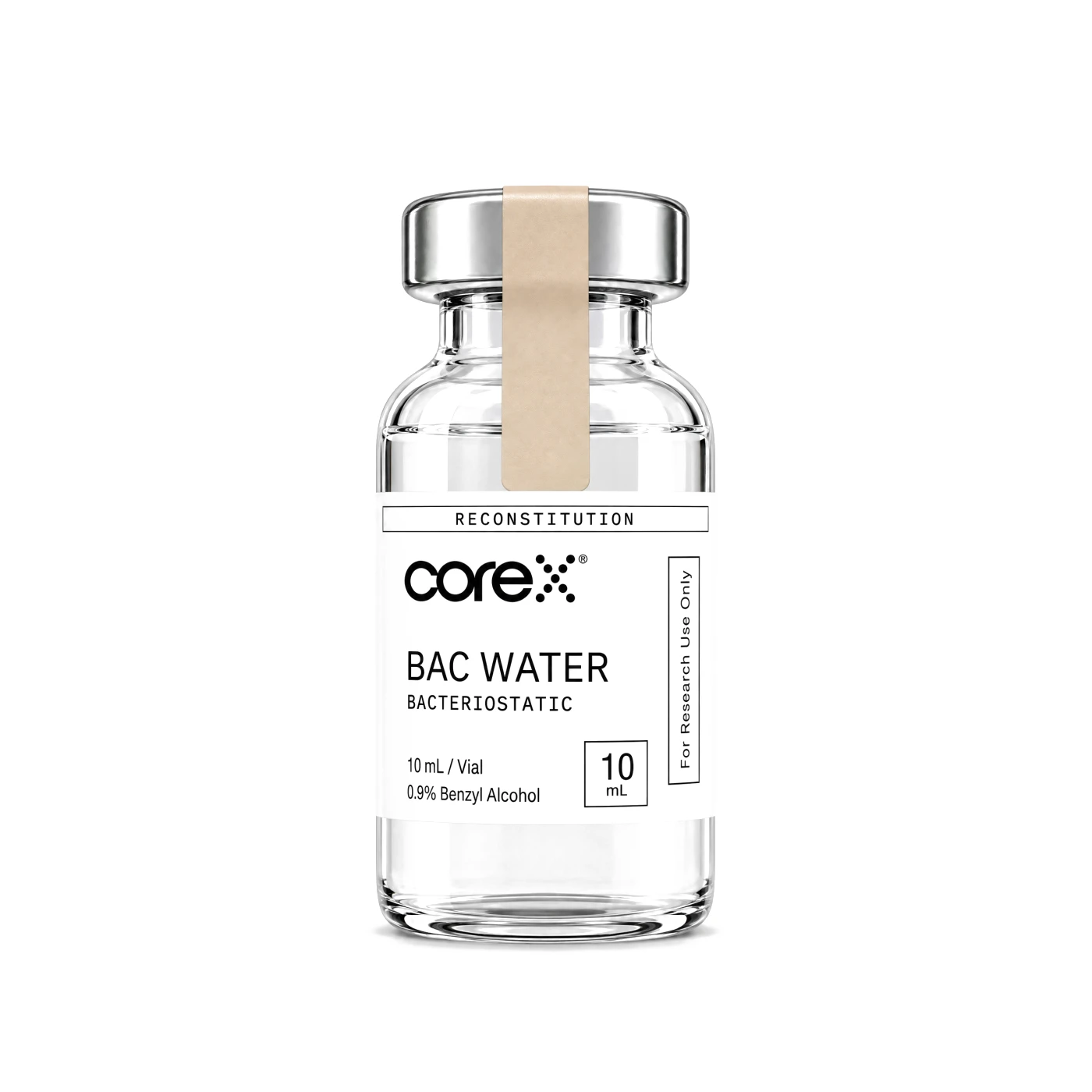
- Bacteriostatic Water
$19.00 · To reconstitute the powder
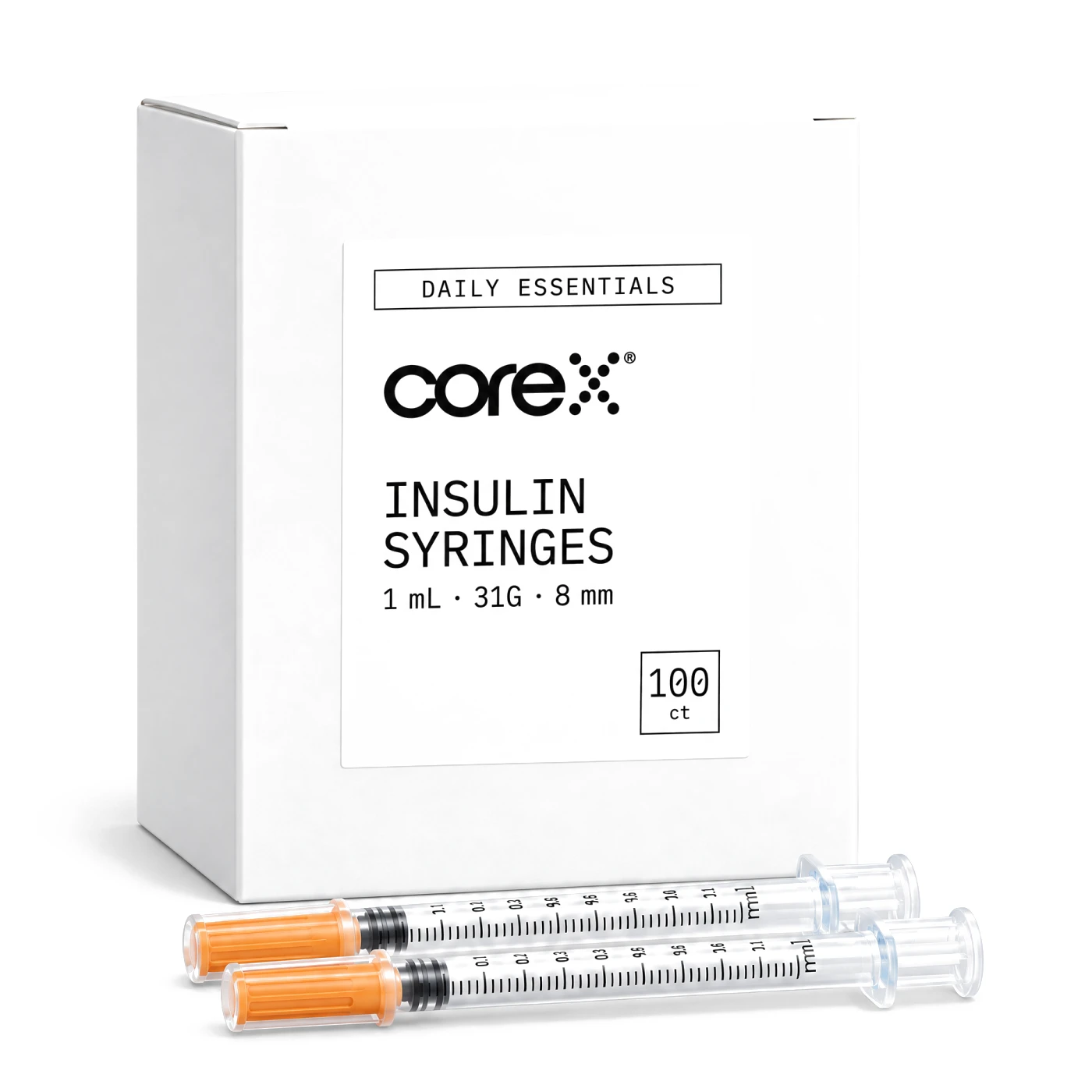
- Needles
Free · For reconstitution
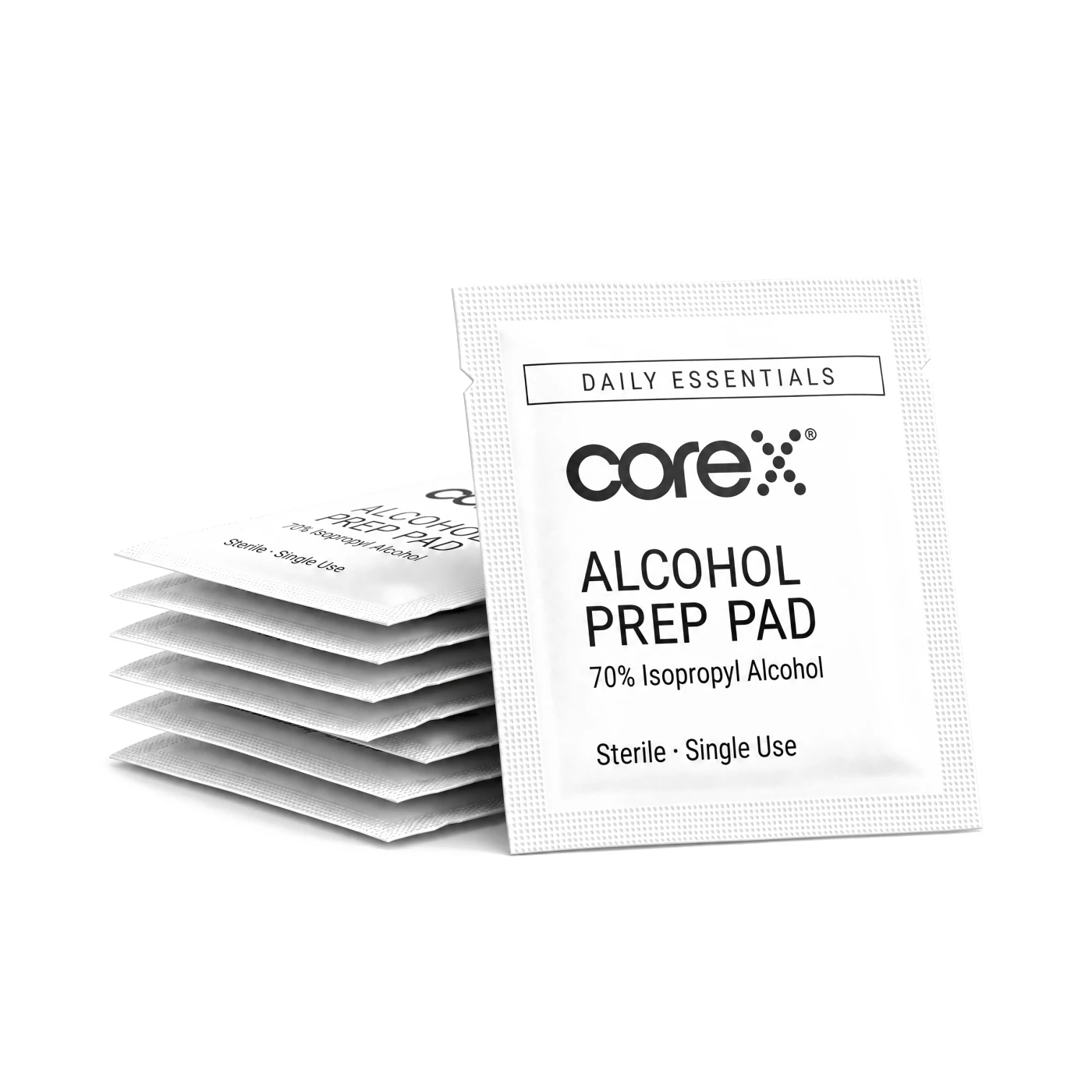
- Alcohol Wipes
Free · To prep the vial stopper
Compare. Side by side, from the research.
About TB-500 (Thymosin Beta-4 Acetate)
TB-500 is a synthetic fragment of thymosin beta-4. Research focuses on its relationship with actin, the structural protein underpinning cell movement, and with the migration of repair cells.
How it works
- Actin Regulation
- Studied for sequestering actin monomers, affecting the cytoskeletal scaffolding cells use to move and reorganize.
- Cell Migration
- Explored for the recruitment of repair-associated cells toward areas under stress.
What you need
- Bacteriostatic Water
- Needles
- Alcohol Wipes
- A protocol guide comes with every order
Shipping & payment
- Packed and dispatched within 1–2 business days
- Delivered across Canada in 2–5 business days, tracked
- Temperature-controlled packaging where the product needs it
- Free shipping on orders over $120
- Prices in CAD · pay by Interac e-Transfer
- Format
- Lyophilised powder in a sealed vial
- Strength
- 10 mg per vial
- Storage
- Refrigerate, away from light. Once reconstituted, keep refrigerated and use within the window on the insert.
- Reconstitution
- 2 mL bacteriostatic water for this 10 mg vial (5 mg/mL)
- Route in research
- Subcutaneous
- SKU
- BT10
Handling
- 1ReconstituteAdd bacteriostatic water down the side of the vial. Swirl, never shake. Agitation damages the peptide chain.
- 2StoreRefrigerate at 2–8°C once mixed. Reconstituted peptide is stable for the window given in your protocol guide.
- 3Measure with the calculator Use an insulin syringe at the units your protocol specifies. Rotate sites and log what you take.
- Purity
- High-performance liquid chromatography (HPLC), by an independent laboratory
- Identity
- Mass spectrometry, on the same batch
- How often
- Every batch
- COA
- The certificate of analysis is matched to the lot code printed on your vial
- Evidence
- Preclinical
Check your lot
Every vial carries a lot code. Enter it, or scan the QR on the label, to see its expiry and certificate of analysis.
PreclinicalPublished work on TB-500 itself is largely animal research, such as rat tendon-healing studies, while its parent protein, thymosin beta-4, has been discussed more broadly in reviews of regenerative and clinical applications.
What research examines
- Actin monomer binding and cytoskeletal organization
- Migration of repair-associated cells
- Achilles tendon healing in rat models
- Musculoskeletal injury in peptide therapy reviews
- Thymosin beta-4 in brain organoid research
Reported in studies
- Human safety data are limited
- Adverse events are not summarized in the cited animal studies
- Discussed among unapproved peptides in a review of safety and efficacy for musculoskeletal injuries
- Supplied for laboratory research use only
Published research protocols
2 mg, 1x/week, am
Research protocols have used 500–2,000 mcg per administration, once weekly (morning), with a loading phase before a lower-frequency maintenance phase, in 8-week blocks with 4 weeks off.
For research use only. These figures summarize published research protocols. They are not instructions or medical advice.
Measure with the calculatorCoreX AI
Ask about TB-500 (Thymosin Beta-4 Acetate)
Plain answers, from the basics to the studies.
Research information, not medical advice.
Often researched with TB-500 (Thymosin Beta-4 Acetate)
Researched for recovery & repair.
- Vial
 Vial
 Vial
FAQ
Questions, answered
TB-500, also known as Thymosin Beta-4 Acetate, is a synthetic fragment of thymosin beta-4, a naturally occurring peptide in the beta-thymosin family. Research interest centers on its relationship with actin, the structural protein that underpins cell movement, and on the migration of repair-associated cells. It is typically grouped with recovery-focused research compounds and is supplied for laboratory research use only.
Research describes TB-500 as binding actin monomers and influencing assembly of the cytoskeleton, the internal scaffolding cells use to move and reorganize. By sequestering actin monomers, it is studied for effects on how cells migrate toward sites of tissue stress. A related line of research explores its role in recruiting repair-associated cells to stressed areas. These mechanisms are drawn largely from laboratory and animal work rather than controlled human trials.
Studies have examined TB-500 and its parent protein, thymosin beta-4, in several regenerative contexts. A rat study assessed Achilles tendon healing using histopathological and biomechanical measures. Reviews have discussed thymosin beta-4 as a multi-functional regenerative peptide, and a recent review covered unapproved peptides studied for musculoskeletal injuries and athletic performance. Thymosin beta-4 has also been investigated as a target in human brain organoid models of Alzheimer disease. Evidence remains early.
Human safety data for TB-500 are limited. The animal studies focus on tissue and mechanical outcomes, and adverse events are not summarized in them. A 2026 review in Sports Medicine discussed the safety and efficacy of approved and unapproved peptides for musculoskeletal injuries, placing compounds like TB-500 within the unapproved category. TB-500 is not an approved therapeutic and is supplied only for laboratory research.
Research protocols have used 500 to 2,000 mcg per administration by the subcutaneous route, once weekly in the morning, with a loading phase before a lower-frequency maintenance phase. These protocols have run in 8-week blocks followed by 4 weeks off. Each CoreX order ships with a protocol guide describing these research parameters. This information describes published research practice only.
You may also like
 Vial · Pen
 Vial · Pen
 Vial
 Vial