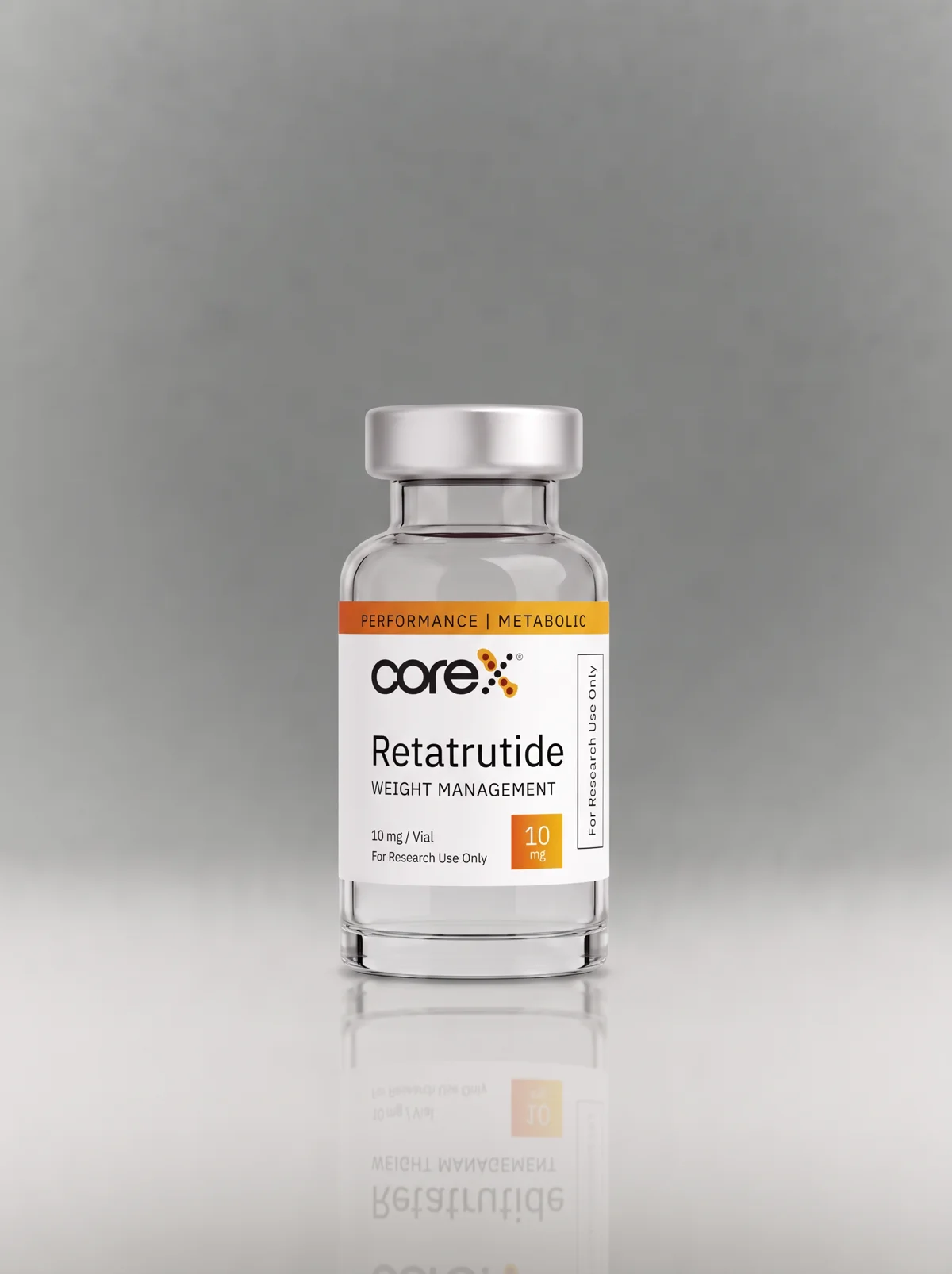
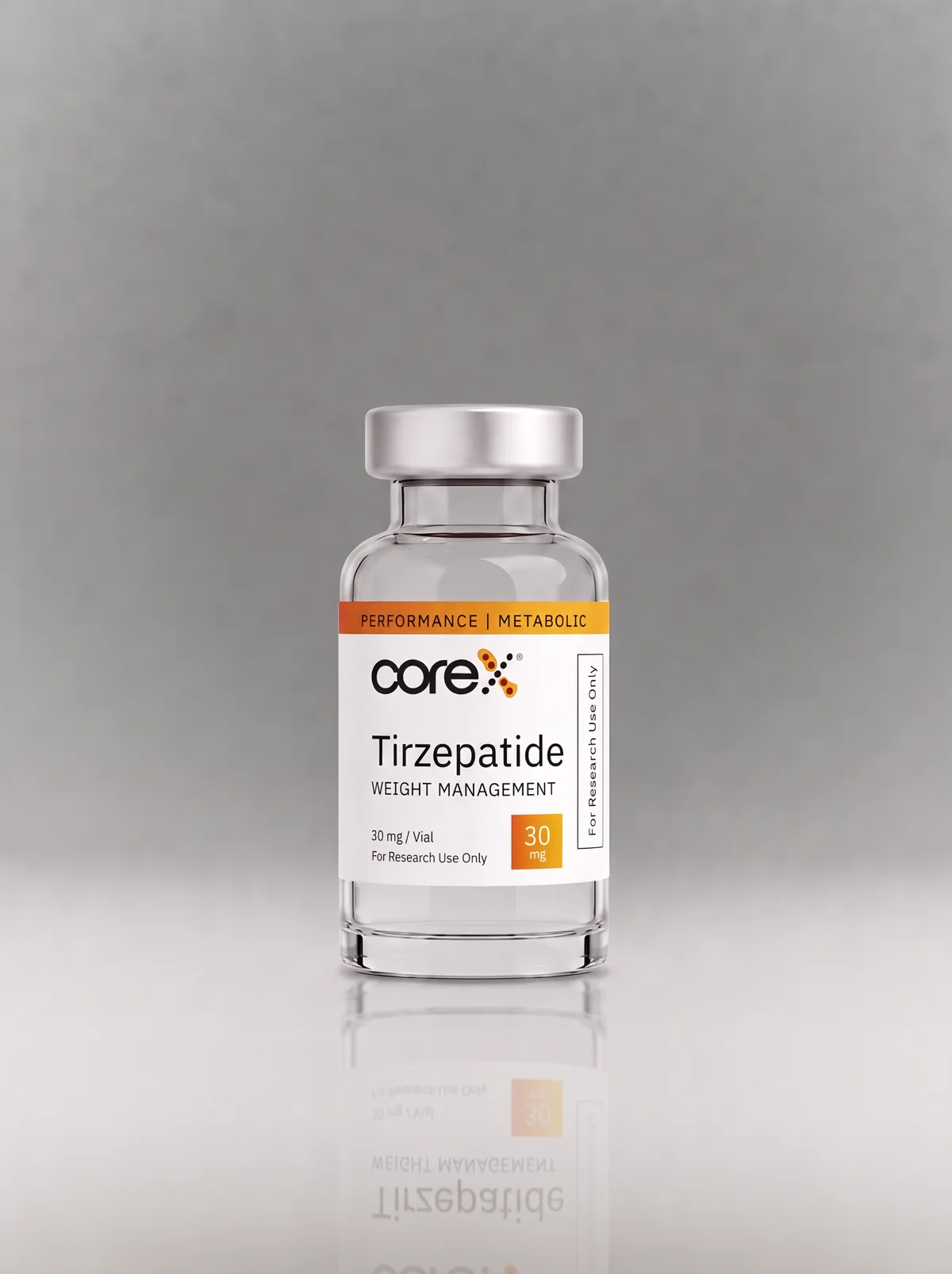
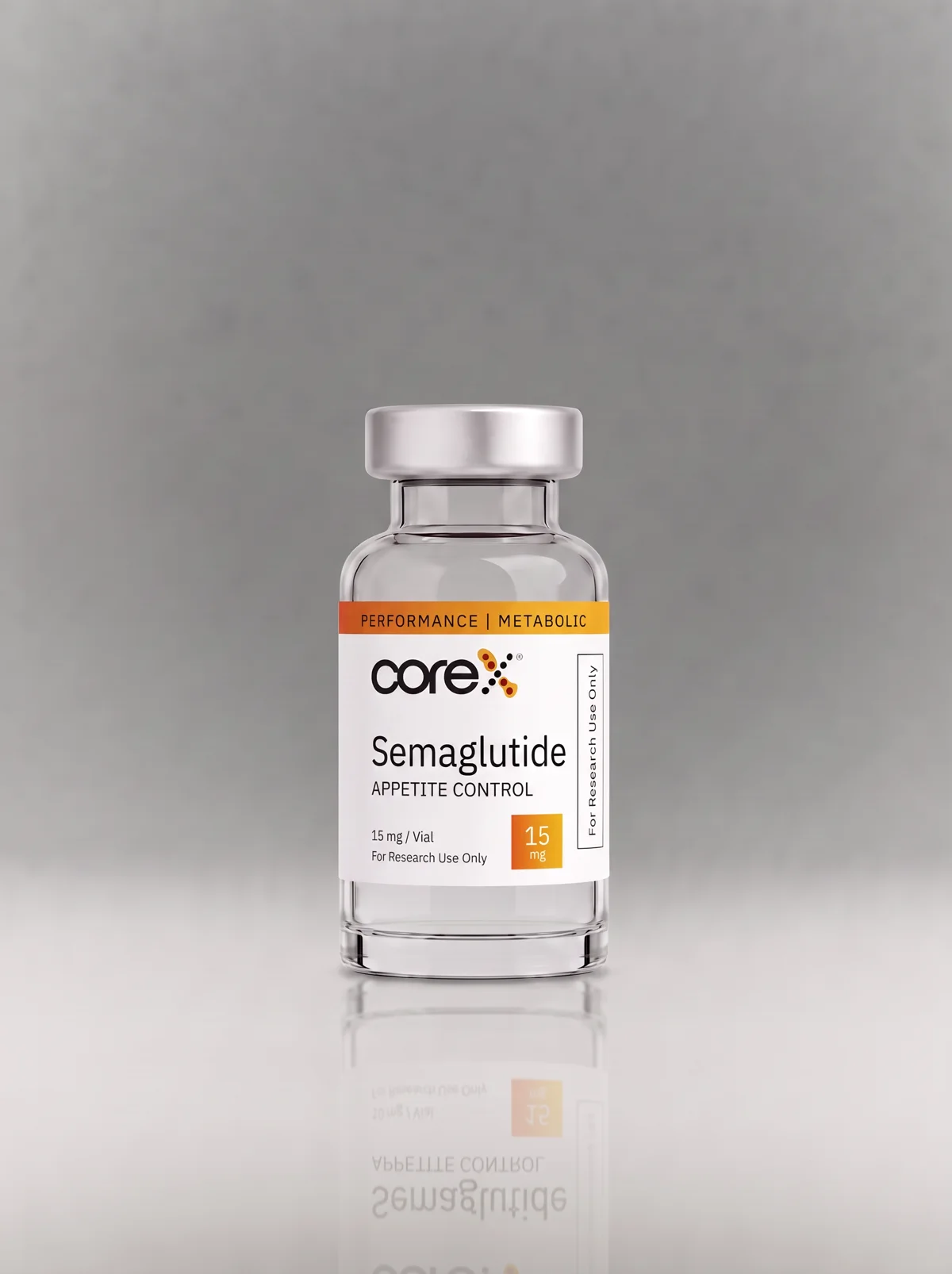
Semaglutide vs Tirzepatide
Semaglutide and Tirzepatide are both incretin-based compounds studied in metabolic research, and both have been investigated as once-weekly subcutaneous agents. Semaglutide is a long-acting GLP-1 receptor agonist whose structural modifications extend its half-life. Research has examined its role in glucose-dependent insulin signaling, gastric emptying, satiety pathways, and weight loss in obesity without diabetes. Tirzepatide is studied as a dual agonist at the GIP and GLP-1 receptors, and research asks whether adding the GIP component differs from GLP-1 agonism alone. Its phase 3 program has examined glycemic control in type 2 diabetes, weight reduction and maintenance in adults with obesity, and a head-to-head comparison with semaglutide in SURPASS-2.
Key differences
- 01
Semaglutide is studied at a single target, the GLP-1 receptor, while Tirzepatide is studied at both the GLP-1 and GIP receptors.
- 02
A semaglutide product, Wegovy, has been described in the literature as a weight loss drug for chronic weight management, whereas Tirzepatide is characterized by multiple randomized phase 3 trials, including SURPASS-1, SURPASS-2 and SURMOUNT-4.
- 03
Semaglutide research has placed particular emphasis on the structural modifications that extend its half-life and on its clinical pharmacokinetics.
- 04
Tirzepatide research extends into phase 2 work in metabolic dysfunction-associated steatohepatitis with liver fibrosis and a cardiovascular outcomes trial against dulaglutide, while semaglutide has been examined for heart failure with preserved ejection fraction in observational research.
- 05
Published safety topics differ: semaglutide research has examined nonarteritic anterior ischemic optic neuropathy risk and effects on lean mass, while Tirzepatide cardiovascular safety is being assessed in the SURPASS-CVOT trial and its long-term safety outside controlled trials is not well characterized.
Side by side
GLP-1 research
Dual GLP-1/GIP — appetite control, metabolic support
Approved analog
Late clinical
Performance
Performance
Subcutaneous
Subcutaneous
Research protocols have used 250–2,000 mcg per administration, once weekly (morning, fasted), stepping up from 250 mcg to 2 mg by week 13. Reported cycle: continuous until target weight loss.
Research protocols have used 1.5–15 mg per administration, once weekly (morning, fasted), stepping up from 2.5 mg to 10 mg by week 13. Reported cycle: continuous until target weight loss.
- Weight loss in obesity without diabetes
- Glucose-dependent insulin signaling via the GLP-1 receptor
- Gastric emptying and satiety signaling
- Distributed neural pathways of body weight regulation in rodents
- Heart failure with preserved ejection fraction in observational research
- Clinical pharmacokinetics and extended half-life
- Glycemic control in type 2 diabetes trials
- Weight reduction and weight maintenance in adults with obesity
- Appetite, energy intake, and fat mass
- Head-to-head comparison with semaglutide
- Metabolic dysfunction-associated steatohepatitis with liver fibrosis
- Cardiovascular outcomes compared with dulaglutide
- Risk of nonarteritic anterior ischemic optic neuropathy has been examined in patients prescribed semaglutide
- Effects on lean mass have been reviewed across clinical trials
- Slowed gastric emptying is a studied mechanism of action
- Overall safety has been the subject of a dedicated published review
- Safety was a primary focus of phase 3 trials such as SURPASS-1, though specific adverse event rates are not summarized here
- Cardiovascular safety is being assessed against dulaglutide in the SURPASS-CVOT trial
- Studied for effects on gastric emptying as part of its mechanism
- Long-term safety outside controlled trial settings is not characterized in this overview
5 cited studies
5 cited studies
Studied ranges describe what published research protocols have used. They are not instructions or recommendations. Products are sold for research purposes only; each order ships with a protocol guide for the specific product.
Mechanism
Semaglutide
Research describes semaglutide as an incretin mimetic with structural modifications that extend its half-life, studied for both peripheral glucose handling and central appetite signaling.
Incretin Pathway
Studied at the GLP-1 receptor for glucose-dependent insulin release rather than unconditional stimulation.
Gastric Emptying
Explored for slowing the rate at which the stomach empties, associated with prolonged fullness.
Tirzepatide
Research investigates tirzepatide across both incretin receptors, studied for combined effects on insulin signaling, gastric emptying, and satiety.
Dual Incretin
Studied at both GIP and GLP-1 receptors, the GIP component distinguishing it from single agonists.
Metabolic Signaling
Explored for effects across glucose handling and appetite regulation together.